Meet Gaston Virkel | Writer, editor, screenwriter.
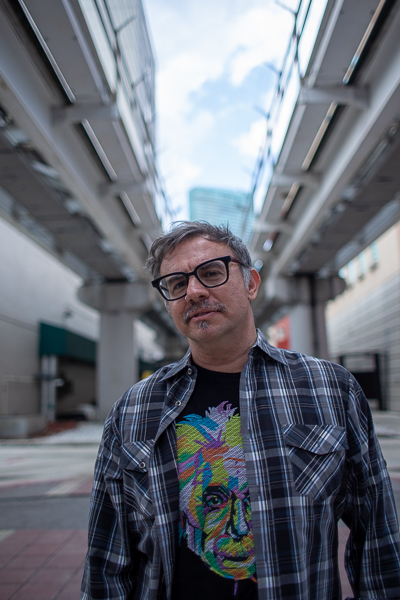


We had the good fortune of connecting with Gaston Virkel and we’ve shared our conversation below.
Hi Gaston, how do you think about risk?
I have a rule for risk-taking: I prefer to live with failure rather than with the uncertainty of *what if.* The truth is, my journey has placed me at these crossroads multiple times, and I’ve always made decisions with that mindset.
Moving to Miami—a city my own prejudices had initially kept me away from. Writing a feature film script in just twenty days and shooting it in only ten. Betting on a publishing house dedicated to Spanish-language authors in the United States. In all these instances, intuition and the certainty that one emerges better prepared from such moments have been crucial.
Alright, so let’s move onto what keeps you busy professionally?
I suppose, to put it simply, it all comes down to my vocation as a storyteller. Telling stories is what drives me. I’m a screenwriter and writer, so whether it’s the plots of my short story collections or novels, the audiovisual developments for films, series, or documentaries, or what we do at Suburbano Ediciones by publishing Hispanic authors, it all boils down to one thing: telling the best stories for a highly fragmented audience.
My latest venture is an initiative that bridges my two worlds: books and audiovisual content. I want to help authors bring their books to the big screen, streaming platforms, or any space seeking unique and compelling stories.
Let’s say your best friend was visiting the area and you wanted to show them the best time ever. Where would you take them? Give us a little itinerary – say it was a week long trip, where would you eat, drink, visit, hang out, etc.
I recently wrote a short essay that was published in Argentina, my home country, where I talked about the place Miami holds in the media—a city of pure frivolity, easy money, and shady deals. The place where the model of the moment vacations and the most villainous scammer goes into hiding. Like all modern metropolises, Miami is all of this, but also so much more.
The Miami I navigate maps out a city that barely intersects with the malls, the beach, Ross, and The Cheesecake Factory (the go-to tour for all my visiting friends). My favorite spots include countless French and Cuban cafés, kayaking and cycling in public parks, the beach at night and at sunrise, percussion Sundays on 3rd Street, lunch at Mandolin, Plant the Future Gallery (a fantastic place in North Miami, which I actually named), a movie at the Coral Gables Art Cinema, reading time at Tinta y Café (Miami Shores), the lunch special at Locura Marina (I love the ceviche appetizer with lomo saltado), presentations at Books & Books, and a Milanesa Napolitana at Banchero.
Who else deserves some credit and recognition?
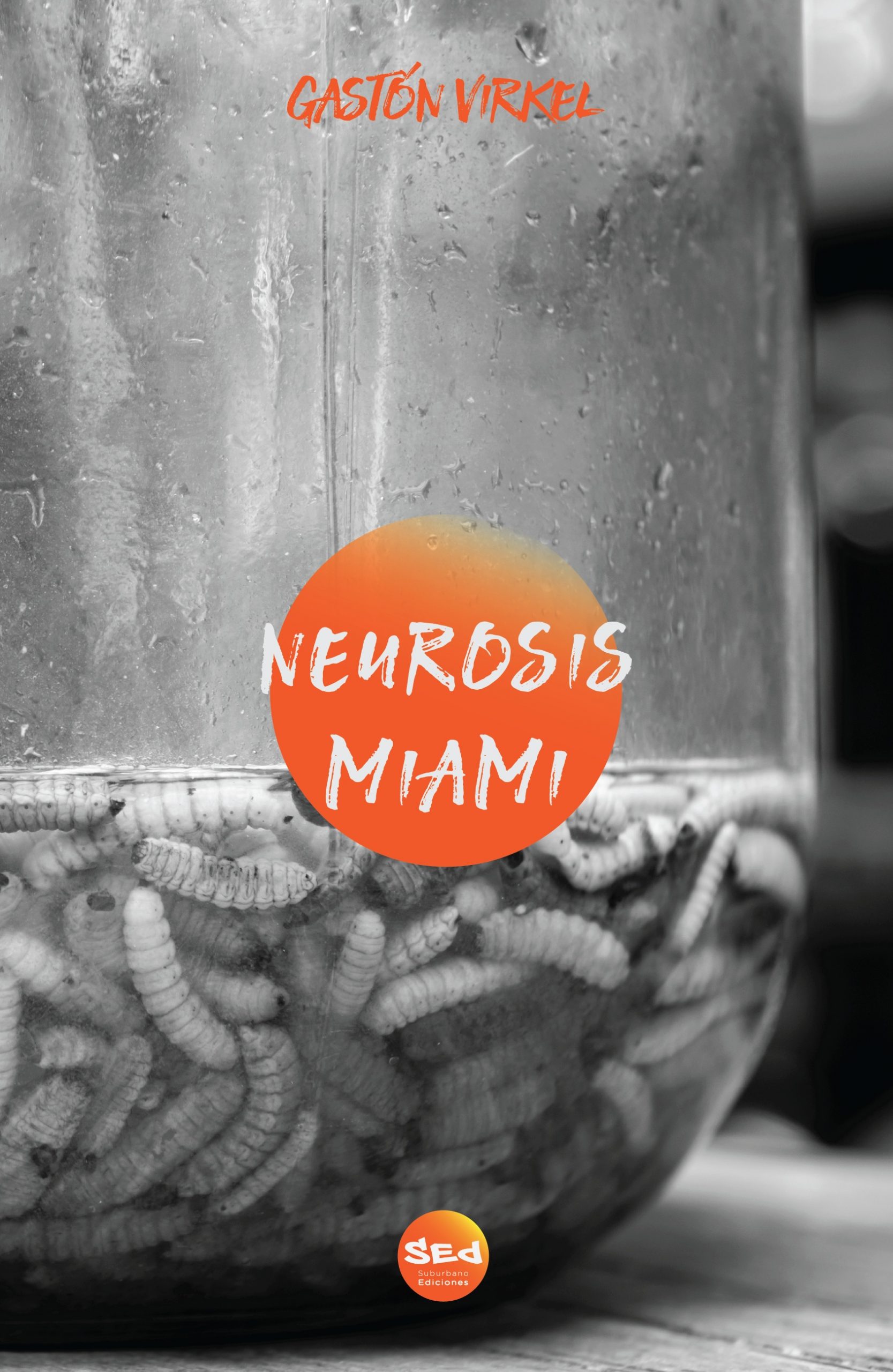
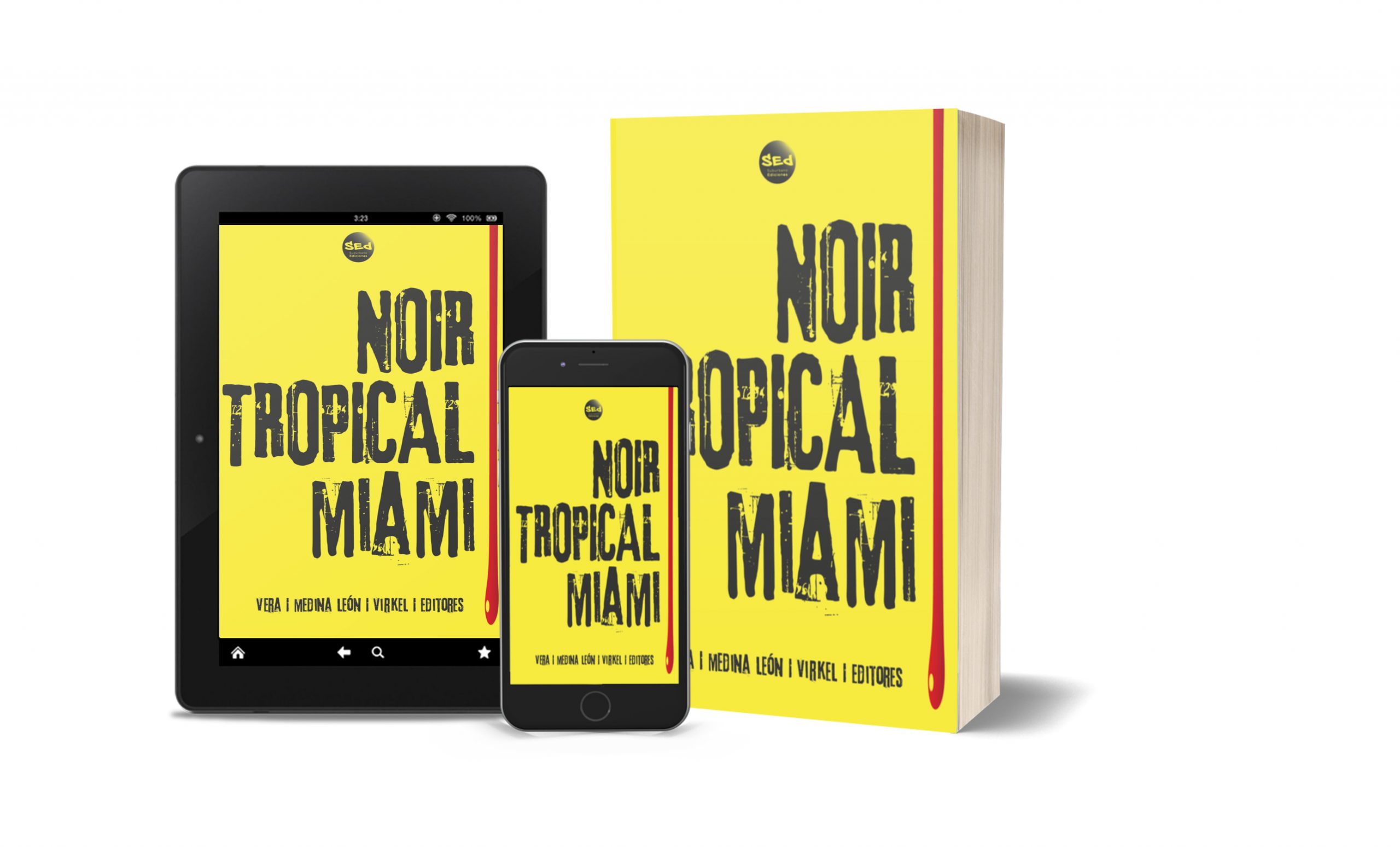
I would say all the authors of the books that left a mark on me. A writer is primarily shaped by their readings. I would highlight some Miami-based authors like Isaac BashevisSinger, Charles Willeford, and Elmore Leonard. Among those who write in Spanish, crossing paths with Pedro Medina León and Hernán Vera Álvarez was particularly important for me, as they introduced me to a literary universe in Miami that I had no idea existed. The city and its literature have grown so much within me that I now consider myself a Miami author. My latest published novel tells the story of a screenwriter who meets an actor who was cut from “Miami Vice” in the final edit of the series. Together, they decide to rewrite it as an act of poetic revenge.
Website: gastonvirkel.com / suburbano.net / elmiamireview.com / suburbanoediciones.com
Instagram: @gvirkel
Linkedin: Gaston Virkel
Twitter: @GVirkel
Facebook: Gaston Virkel
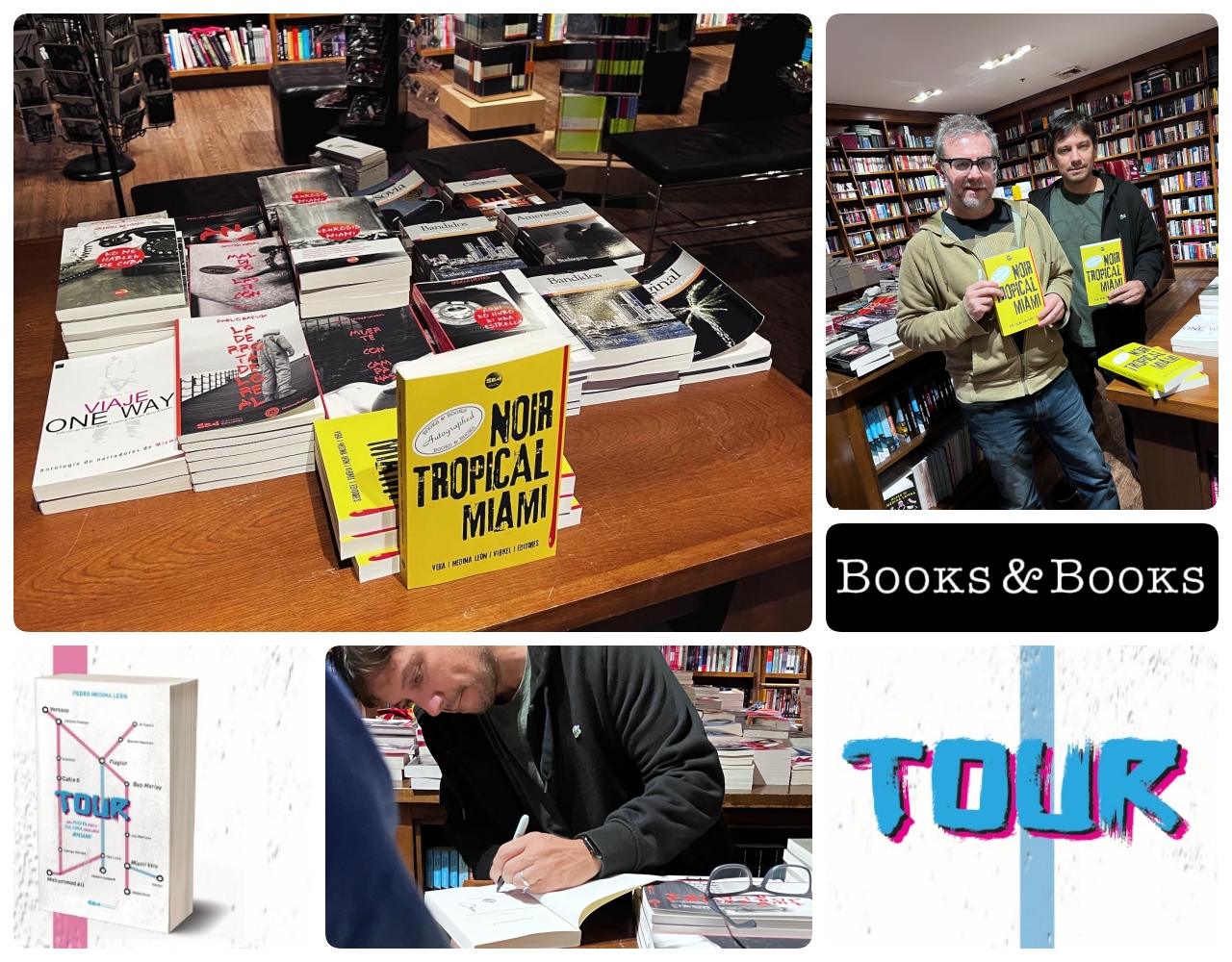
Image Credits
Author photo by Pepe Carmona


