Meet Kaspar Heinrici | Artist and Designer


We had the good fortune of connecting with Kaspar Heinrici and we’ve shared our conversation below.
Hi Kaspar, we’d love to hear about how you approach risk and risk-taking.
I think risk is a really good way of framing a creative process. I get nervous before any project because I worry I have gotten into something I cannot solve or complete something to satisfaction. For me, developing a process is what has helped me mitigate the risk of total failure when trying to conceive of something new for a client. I discovered design as a discipline later in life so when I finally went to graduate school for industrial design I felt like my education would be someone showing me a magical path that would reveals new ideas and helps you refine them into something useful. The reality was quite different with every professor proposing drastically different approaches to design thinking. By trying on these various perspectives for myself I arrived at a method that is customized for me to be able to walk into situations where creativity is expected on demand and know that I will be able to deliver.
Because design is often problem solving, it helps to have knowledge of, or skill in, a lot of different areas and the only way to acquire those skills can be to take the risk of doing lots of new things. Trying completely new things escalates the risk of failure but also accelerates learning. It is critical to be able to provide yourself with new stimulus and time to have new ideas emerge as well as
Can you open up a bit about your work and career? We’re big fans and we’d love for our community to learn more about your work.
My trajectory as an artist began with a strong opposition to that term as something that might define me. My father was a master fine art silkscreen printer who would take us to gallery openings. I experienced the artworld through the lens of commerce. It struck me as many things which begin as a pursuit of passion and become a more cynical means to an end. I went on to work in galleries which furthered this idea of ownership over creative expression and who is allowed access.
This did not stop me from pursuing my own creative impulses, but I only knew the bucket of “artist” and had rejected that description as problematic. From a young age I always maintained a sketchbook. I don’t know where that started, but it became a regular practice. I studied German and cultural anthropology as an undergraduate in college. After graduating I went to Nepal and lived in Vienna for a time working in an art gallery. At night I would come home and build sculptures out of scraps or draw in my sketchbook. I met someone who was into silkscreen which was a skill I had picked up in high school. It was not until my late 20’s after working in art galleries and taking continuing education classes in graphic design that I discovered industrial design. I had learned to use adobe illustrator and photoshop as the tools of a graphic designer, but with every new assignment I would bring in a sculpture or a story or something graphic design adjacent. My instructor explained to me that there was a field called “industrial design” and it was not about designing factories, but rather to create three dimensional objects that could serve a functional purpose in our lives. I was hooked, it was creative problem solving validated by a use case and adoption by real human beings. Industrial design does not require a wealthy collector or institution to imbue it with value, it is a collective decision of the masses that dictate whether your creation has worth in society.
Discovering industrial design gave me a path. While I had been drawing in my sketchbook, I was not at the level required to even consider applying to an industrial design program and so I took more continuing education classes at the Pratt Institute and ultimately got accepted into their graduate program. I was told along the way that it was too late to learn to draw well enough to use it in a professional product development setting, even by one of my mentors at an internship. This was the fuel that drove me to prove that it could be done. Drawing is the most exceptional tool for developing new ideas. To me it is like a magic trick. The magician makes something highly complex look like one fluid motion and so it was with design. I wanted a professor to sit me down and explain what it was and how one did “design,” but it quickly became clear that that the definition was more of a battle ground than a consensus. Over time I developed my own methods derived fro the conflicting approaches that our professors lobbied for in school. I wanted to know how a good designer was able to effortlessly address a brief and design a product that adhered to all the constraints or functional requirements while also being aesthetically appealing to a certain demographic as well as ergonomic and everything else required for its success. What I learned above all else was that, like being a magician, it simply required time and practice. I once carried a playing card around in my pocket practicing making it disappear behind my hand. At first it was clunky, and I would often drop it and then one day there was a tipping point after about a month where someone was watching me do it and was genuinely confused by where the card was vanishing to. Design was no different. Once you have the skills and a tested process you rely on, you can go into any new daunting project with the confidence that you will be able to effectively deliver solutions.
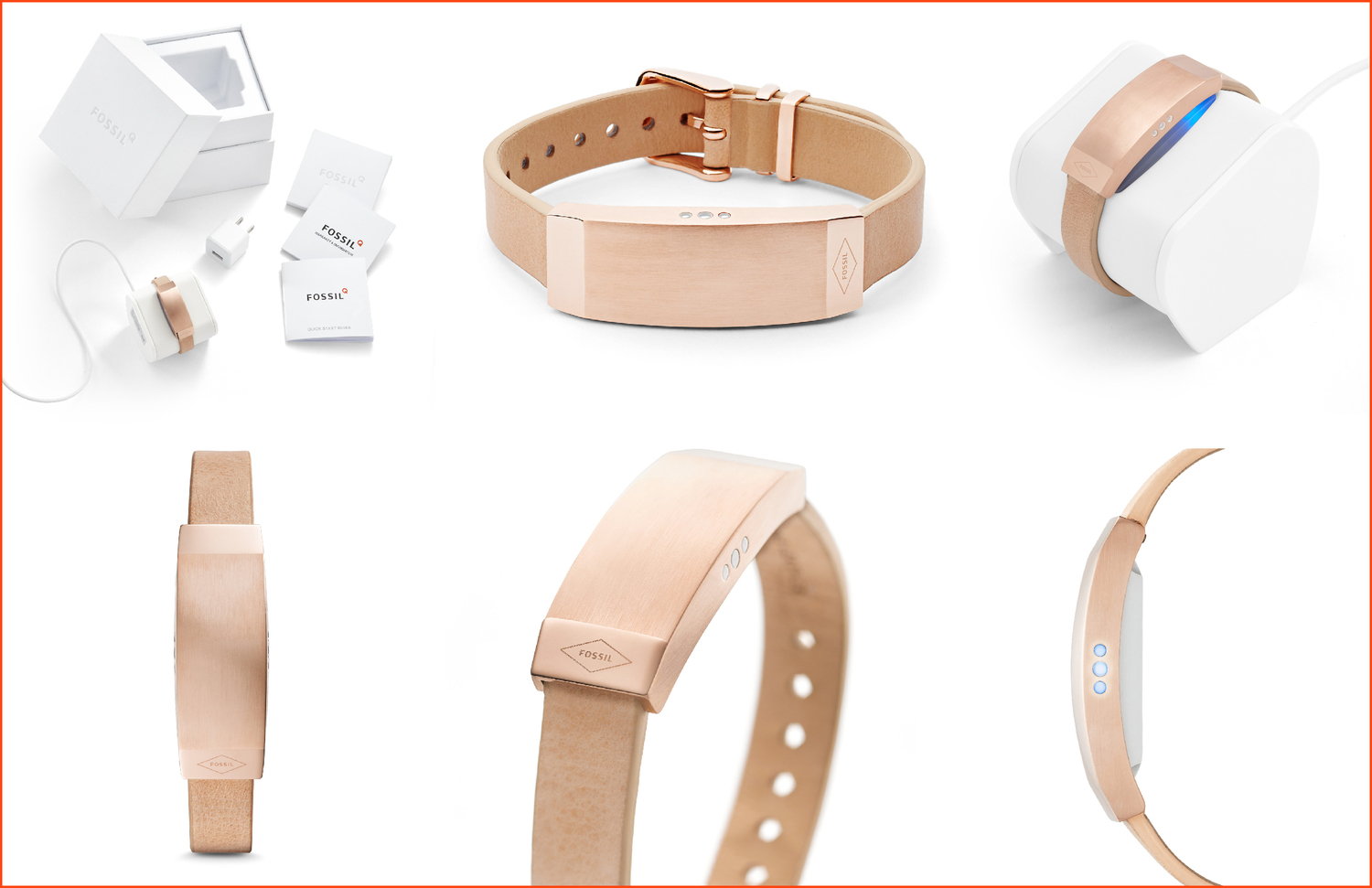
My first job out of graduate school was as a watch designer in Long Island City in 2009 when the world was in financial freefall. I applied for a job at Fossil in Dallas, TX and moved down there by the end of 2010. I went from junior designer to designer to product development manager and ultimately creative director. What I learned at Fossil was the importance of the story and marketing behind the things you create. A watch is the perfect hybrid of function and fashion. It is a highly technical product that people ultimately buy because it fits their personal taste and matches their lifestyle. For an industrial designer that enjoyed fashion drawing this was the perfect category, and I would go on to directing jewelry and eyewear as well. We would spend a whole year developing a new style and it requires layers of collaboration between design, marketing, buyers, supply chain as well as the packaging team. When we got into smart watches it got that much more complicated, but trusting the process always worked and I learned that a designer is only as good as their ability to communicate the merits of a design to many audiences. Often designers can draw well, some can write well, some can speak well and some can even prepare a spreadsheet demonstrating how the product will perform financially, but if you are working on complex products for a multibillion dollar industry you need to be able to collaborate and clearly communicate in order to maintain a consensus that can bring a successful product to market.
While doing this job I continued to do freelance side projects and make art at home, but I still struggled with the pull between art and design. Design was creativity with a purpose, but investing in art required valuing my own ideas without consideration for more objective design metrics. The only metric I had experienced in the art world was how much money it could be sold for, and I had held works worth $20 million or more working as a preparator that only a select few would likely ever see, which is why I struggled with what art meant. I started becoming aware that what I liked about designing watches for Fossil was that they were accessible at a price point of $100-$300. Fashion watches are easy to scoff at for someone who buys blue chip art. However, when you design something that appeals to a broad audience, both those with more sophisticated tastes to be worn for fun while also being an item that someone else might covet as a precious collectible, it becomes enticing. When you see an item that you designed all around the world from Seoul to New York City you realize that ensuring the accessibility of your ideas is one of the most rewarding forms of success. I increasingly got excited about the idea of public art and sharing ideas with the world to see how people would react or participate.
In 2017 after almost 7 years at Fossil the pull between a focus on my career and exploring the wider world to refresh the creative batteries culminated with my wife and I quitting our jobs to travel for one year. It was the riskiest thing I had done and necessary for pursuing ‘art for art’s sake.’ Stepping off a metaphorical cliff that left us open to saying yes to anything or no to everything was terrifying. The opportunities that arise when you shut off the flood of “real life” obligations is incredible. After one year where I was forbidden from working I finally started seeking out creative projects. While we were traveling I would photoshop my sketches onto the side of buildings as if they were murals and I got a call from a contact in skateboarding who was building a park in China that he wanted painted for the opening. I went to Ningbo, China for three weeks in September 2018 and lived on the campus of a school while working with a crew of 4-8 painters communicating exclusively using google translate in the hot sun to paint an entire skate park. This was a design and artistic challenge on another level. When I arrived the owners of the school told me they had decided not to paint the park. I had some familiarity with working in China from my time visiting factories when I worked at Fossil. I went to dinner with the owners at night and during the day, even though I had not been given paints, supplies or a crew I would work on planning my mural until they realized I was going to bake to death in the hot sun and die trying to paint my mural if they did not lend assistance. It was easy to understand as they had seen Americans come and leave half finished work in the past, so I had to earn their trust. By the end of this skatepark project they would ultimately invite me and my wife back a year later to paint several more massive murals. It felt like one of those situations where I had manifested my desire to make public art in the least expected place, on a scale grander than I could have imagined, to be enjoyed by thousands of school children, every day, for years. This was the measure by which I wanted to make art.
This mural project kicked off our second year of travel as we realized we could stretch our budget for another year, and we sought out artist residencies. One thing that plagued me about industrial design was brought to my attention in the first week of graduate school. We had a professor who basically congratulated us for signing up to fill the worlds landfills with obsolete products and human made trash. It was a fair point, but as a creative person how can you produce your ideas in a sustainable way? I began researching natural pigments as a more sustainable way to make art and found a residency in Oaxaca, MX that focused on traditional cochineal pigment production, but specifically for silkscreen printing, which was a passion of mine. This was a month-long program that focused on cultural education and the power dynamics of making art in a postcolonial world. It opened my eyes to the art making materials that are all around us if you take a moment to consider your surroundings. I would go on to do a print making residency in Wassaic, NY and a ceramics residency in Leavenworth, WA. This was the opportunity of a lifetime to let go of all expectations and make things that had no design brief and no ulterior motive, simply because it was something I wanted to explore.
Nothing can last forever, and at the conclusion of the second year of travel, Portland, ME became our landing place. I was offered an opportunity to help start a cannabis company as it had just been legalized in Maine. I realize this could seem like a strange departure in the context of what I had been doing, but it was an opportunity to manage the branding, packaging and product design for a small company where I could directly affect how things were made and sourced. Maine proved to be more inspiring than my wife and I could have imagined (even though I went to college in Maine it surprised me). The history of art in Maine from the native basket weavers to the Wyeth family is well known and with good reason. We live in a town built on farmland nestled in the woods. The ocean is all around, the state is sparsely populated, and the seasons can deliver severe weather which forces you to confront or commune with nature on a regular basis. In our small community we immediately began meeting other creatives. I was seeing potential natural pigment opportunities all around and quickly shedding my identity as an “industrial designer” while feeling more and more like an “artist.” In rapid succession we bought a house and had a son, which continued to make me reevaluate who I thought I was and what I thought my creativity was about. My strict abstract patterns gave way to more literal representations of animals and critters from the woods and waters around our home. I relaxed a bit and became a bit less serious in adhering to design principles. I met an amazing silkscreen printer who was able to execute my visions using water-based inks on apparel and my brand Maine-imals was born. I started with a lobster, added a moose and then a mermaid and it has continued from there. This last Summer my wife who makes ceramics under the name Little Gray Studios and I had a six-month pop-up store in Portland. I continue to work with clients on logos and graphics. Currently I am doing skateboard graphics for a company in Los Angeles. I recently did an illustration for the Portland Museum of Art to draw attention to their proposed expansion. I have been making geometric dolphin mobile sculptures out of wood and fiberglass and one that I had CNC cut out of aluminum with a friend in Austin last year. The dolphin project is motivated primarily by the joy of solving the problem of how to make them. Now, I am more comfortable with the term “artist.” I don’t feel as rigidly defined by my job, my training or even what I am doing in the moment. I have tried to take the lessons I learned during our two years of travel and live by them. Yes, we are typical parents of a toddler with all the mess and routine that goes with that, but we are also able to remain present enough to see when a great opportunity is right in front of us. These days I am less concerned about what I plan to achieve or the term that defines me. I am more interested in what is going to happen along the way.

If you had a friend visiting you, what are some of the local spots you’d want to take them around to?
BEACHES
The beaches are where everyone congregates in the afternoon/evenings to cool down and they can get a bit crowded in the Summer here, but where we live in Cape Elizabeth there are still some spots like Trundy Point or Cliff House Beach where you can still find a local vibe. Even the Easter Promenade Dog Beach is a fun place to go and cool down in Portland.
FOOD
For a great lobster roll you can get two birds with one stone by going to the Portland Head Light. It is popular as one of the oldest lighthouses in the country, but you cannot argue with the popularity when see the commanding view at the mouth of the Casco Bay. Bite into Maine parks their trailer there to serve up award winning lobster rolls.
In the evening you will want to have oysters and there are so many options whether you go to the hipper Washington Ave neighborhood to visit The Shop by Island Creek Oysters, manage to get in at Eventide or maybe opt for dining on the wharf at Scales where you can sample oysters from all over the coastline of Maine.
ACTIVITIES
There are a number of great places to walk and take in the ocean views from Prout’s Neck where you can get a peak at the Winslow Homer Studio to Kettle Cove or Crescent Beach St. Park that are more family friendly with Kettle Cove Ice Cream in the vicinity. On the Portland Peninsula both the Eastern and Western Promenades offer great views in their own right.
Since much of the Portland area is surrounded by water, it is best if you can get out on a boat. There are many harbor tours on restored wooden schooners where you can get out to see Ft. Gorges and House Island, maybe you just hop on the ferry and get over to Peak’s Island or to eat at Crown Jewel on Great Diamond Island. I started renting a small J22 sailboat from Sail Maine in Portland so we can go out whenever the sun is hot and there is a fair breeze so we can find a mooring and jump into the bay.
ART AND DESIGN
Art and design are in abundance in Portland. From the funky vintage shops with records and clothes to boutiques like 33 by Hand, Loquat and North Optical there is always something to look at. The Portland Museum of Art and the Maine College of Art and Design anchor the design district and you can always go down to bayside for galleries and breweries alike.
Shoutout is all about shouting out others who you feel deserve additional recognition and exposure. Who would you like to shoutout?
Ali Filippelli for simultaneously putting up with and supporting my love of constantly changing things up.
Website: https://WWW.KASPARHEINRICI.COM
Instagram: @TREIBDESIGN
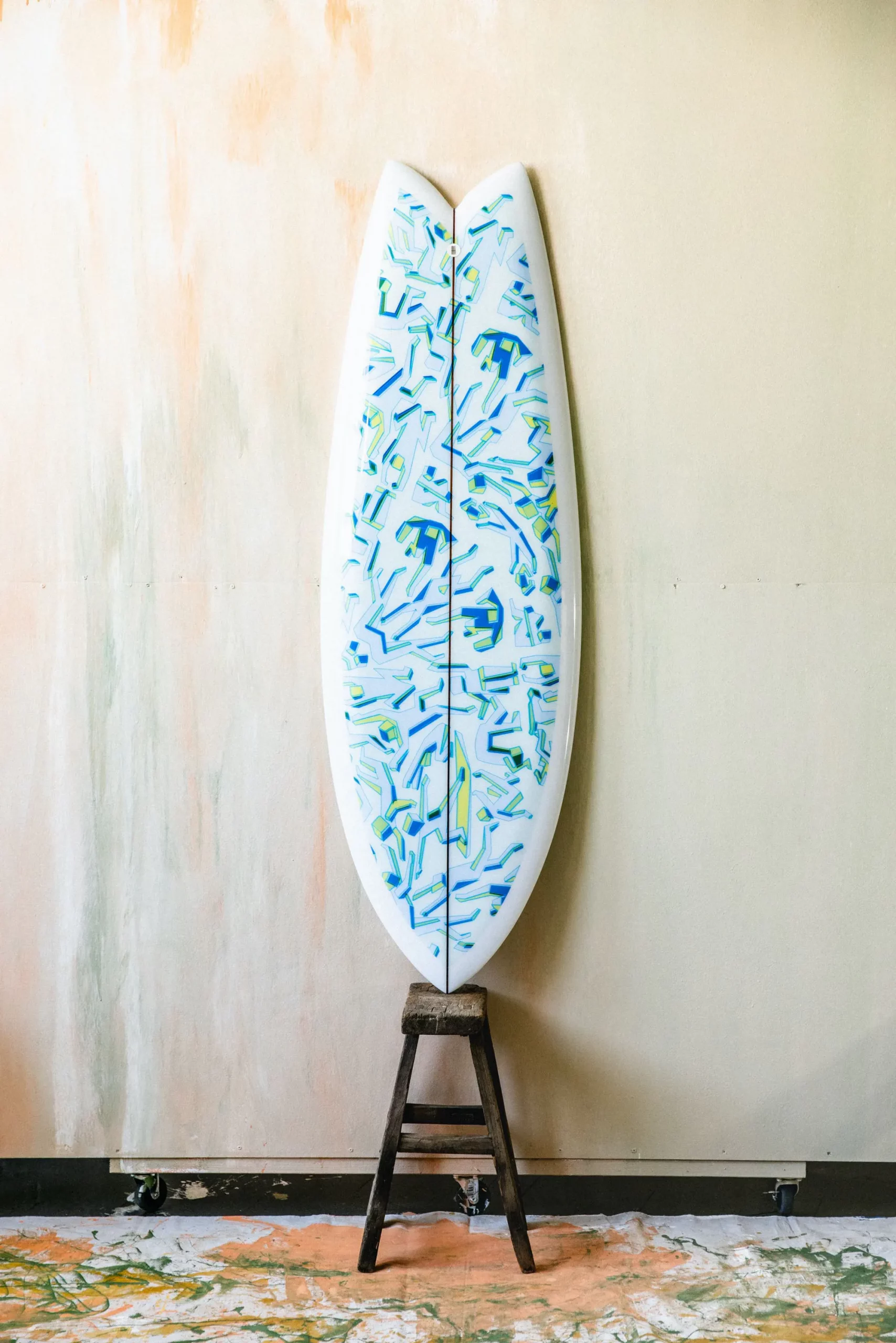
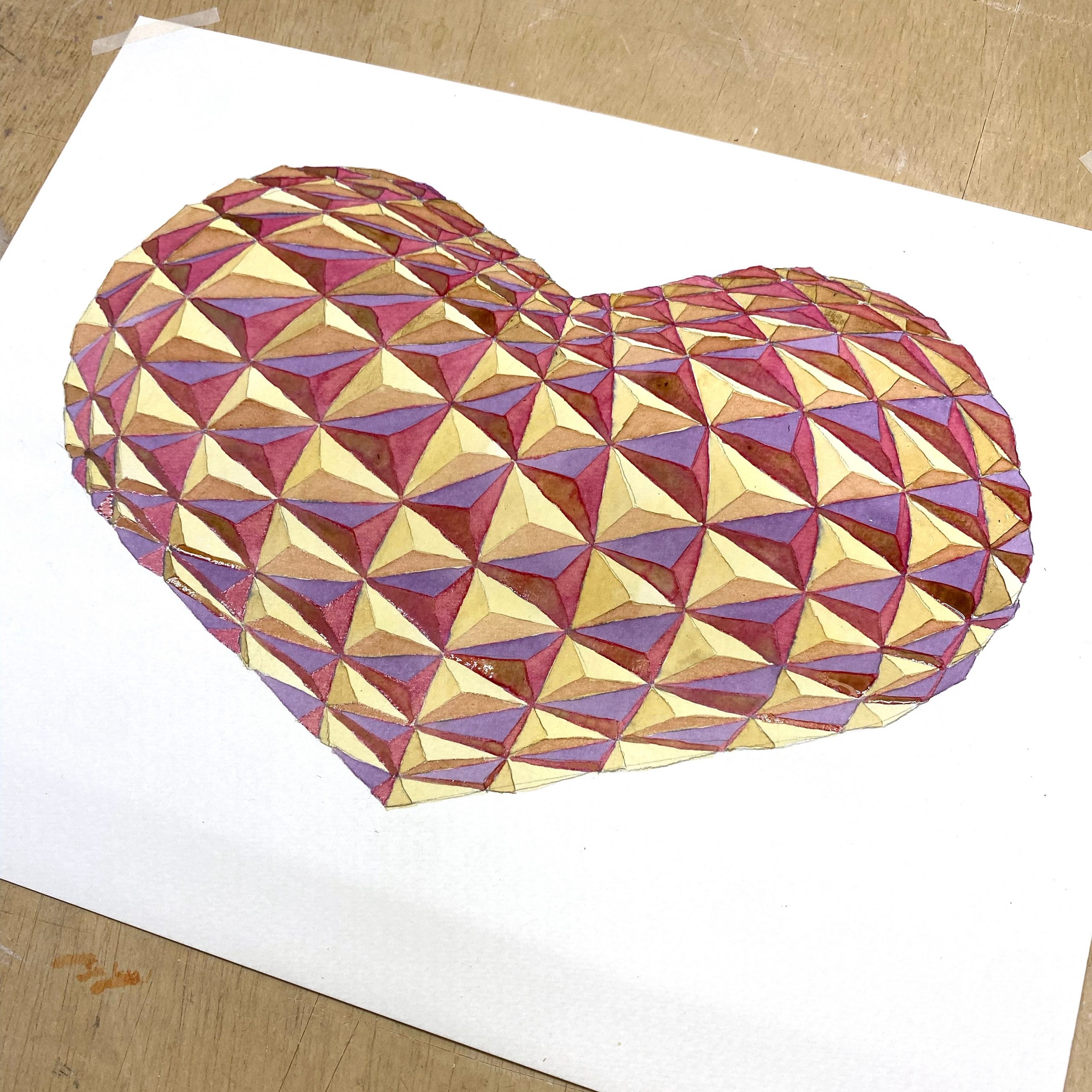
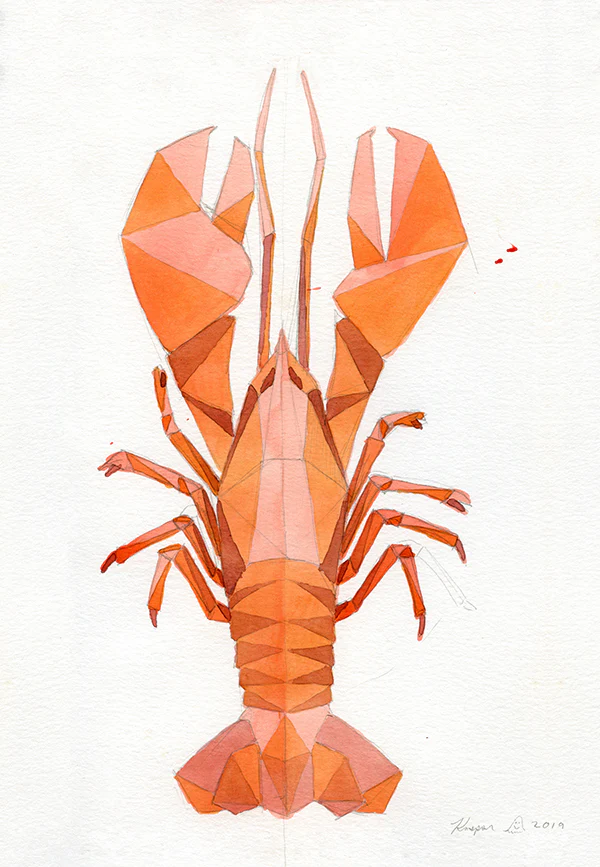
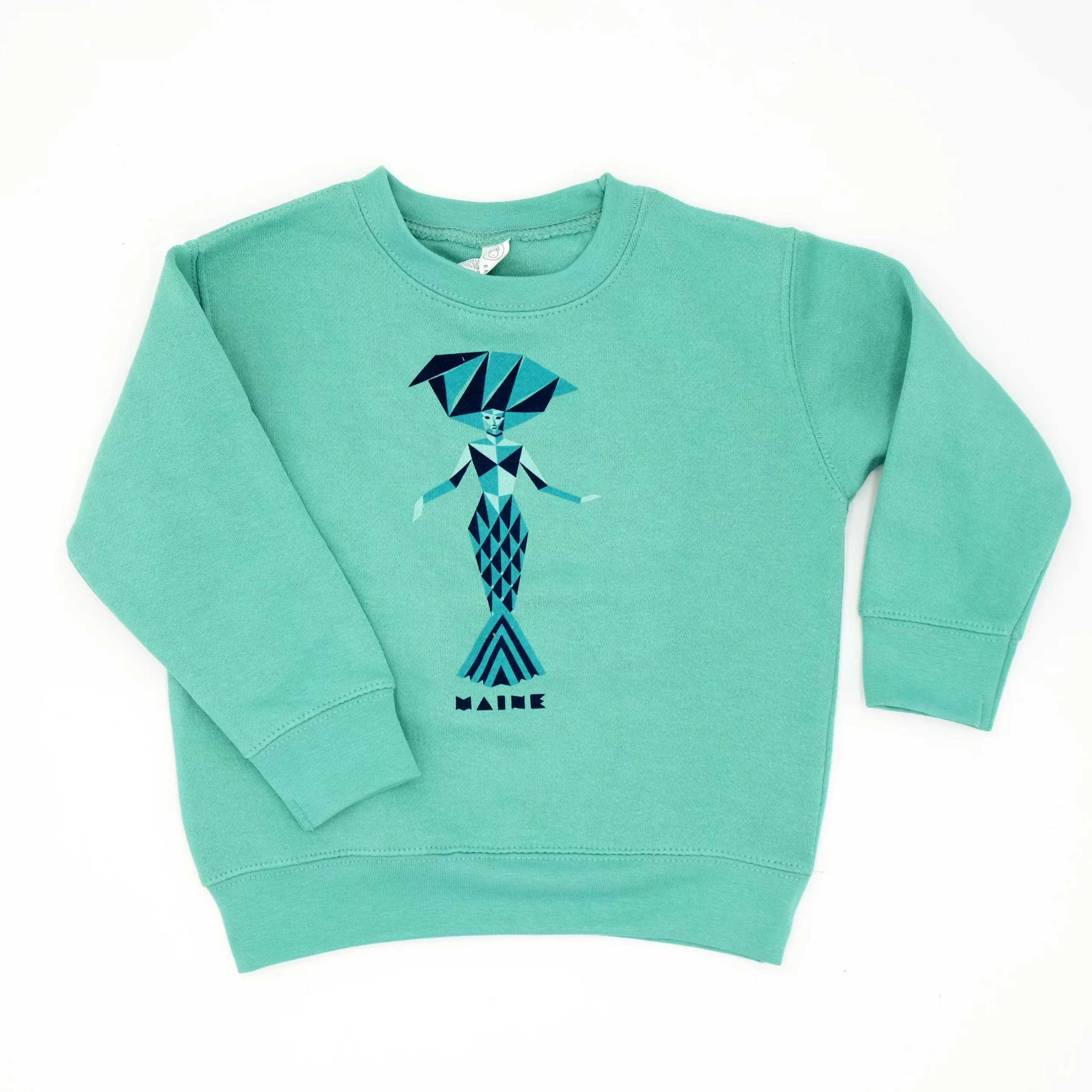
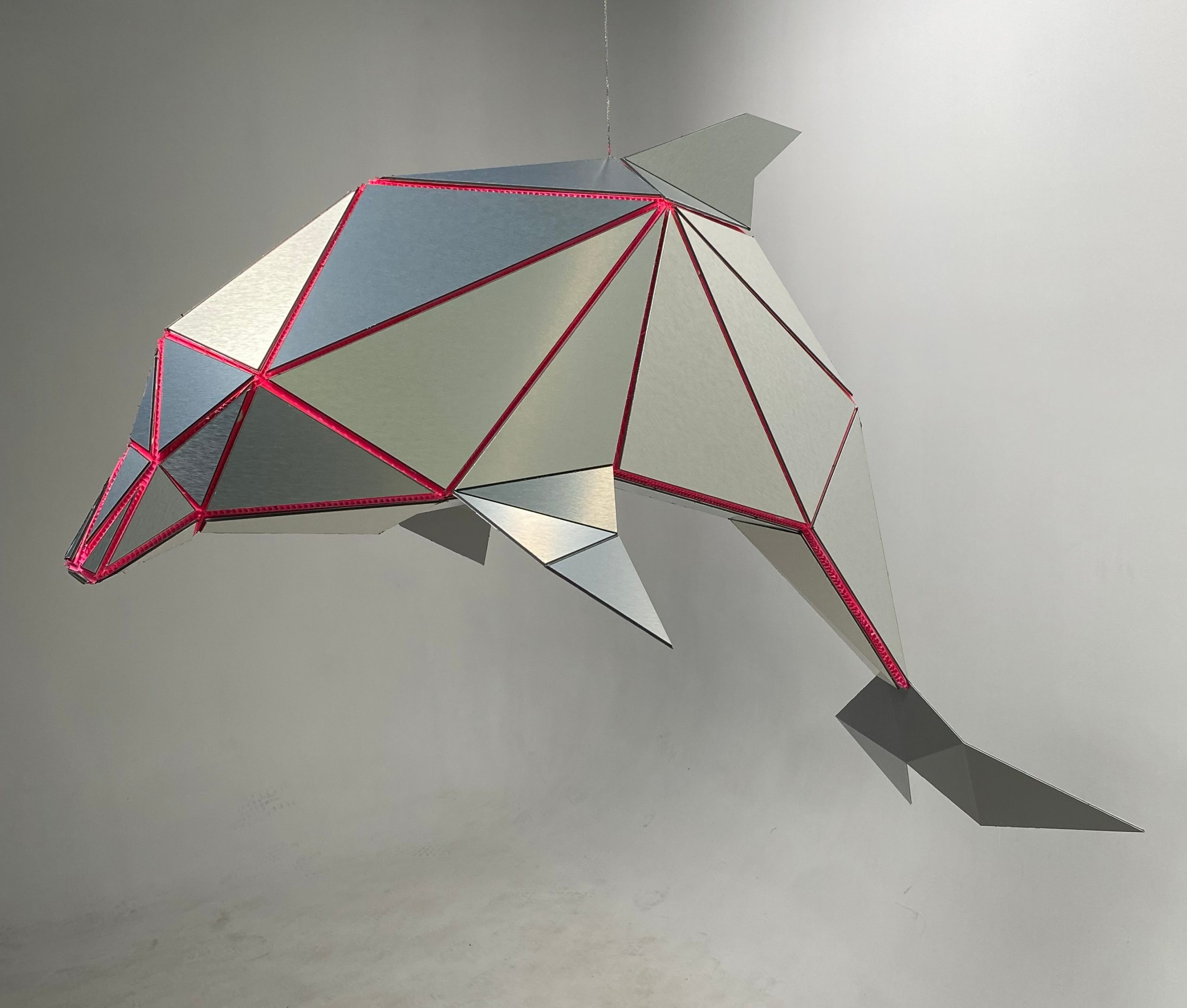

Image Credits
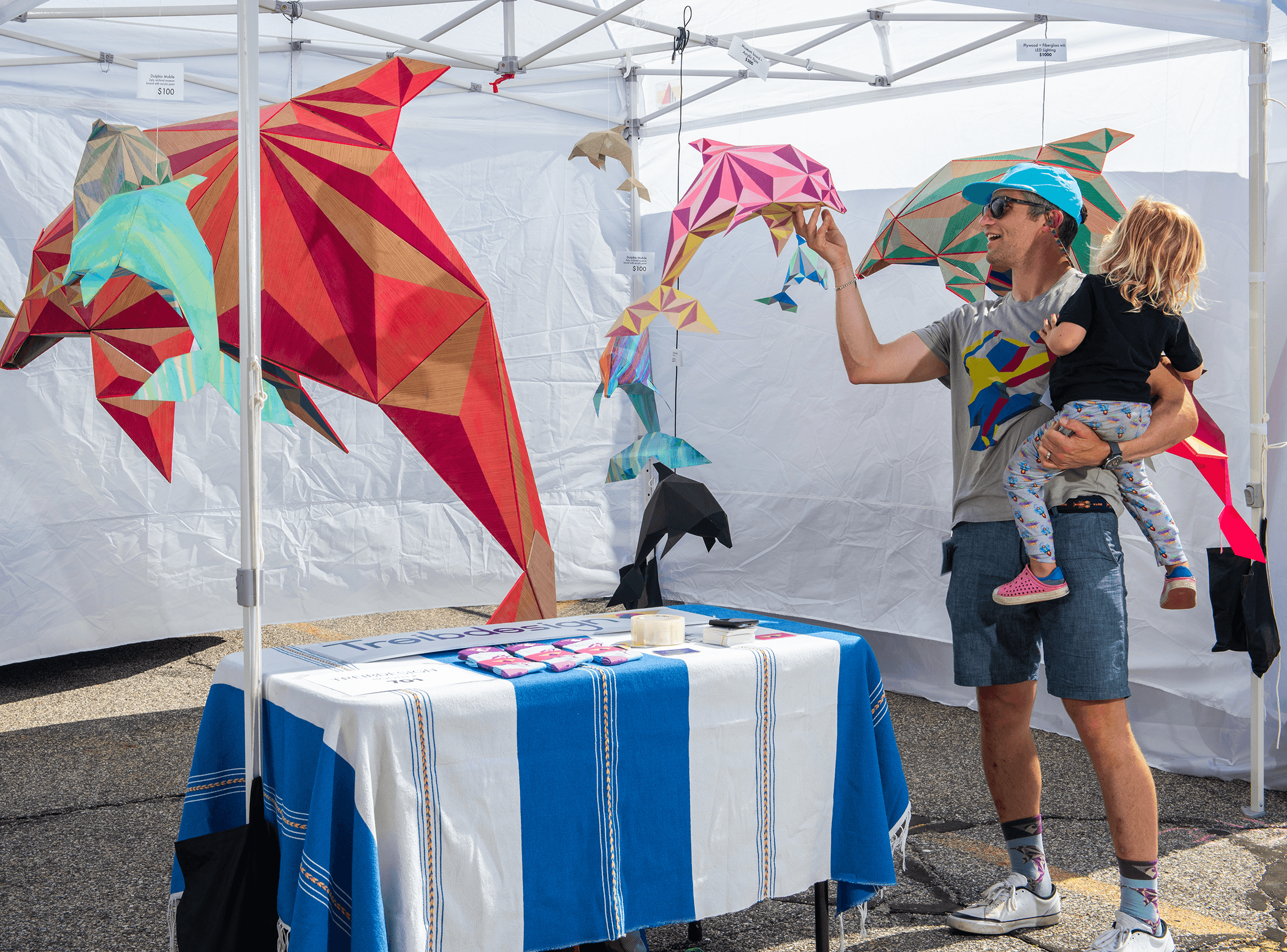
BRET WODARD – Shot of my booth with dolphins at the Portland Fine Craft Show 2024
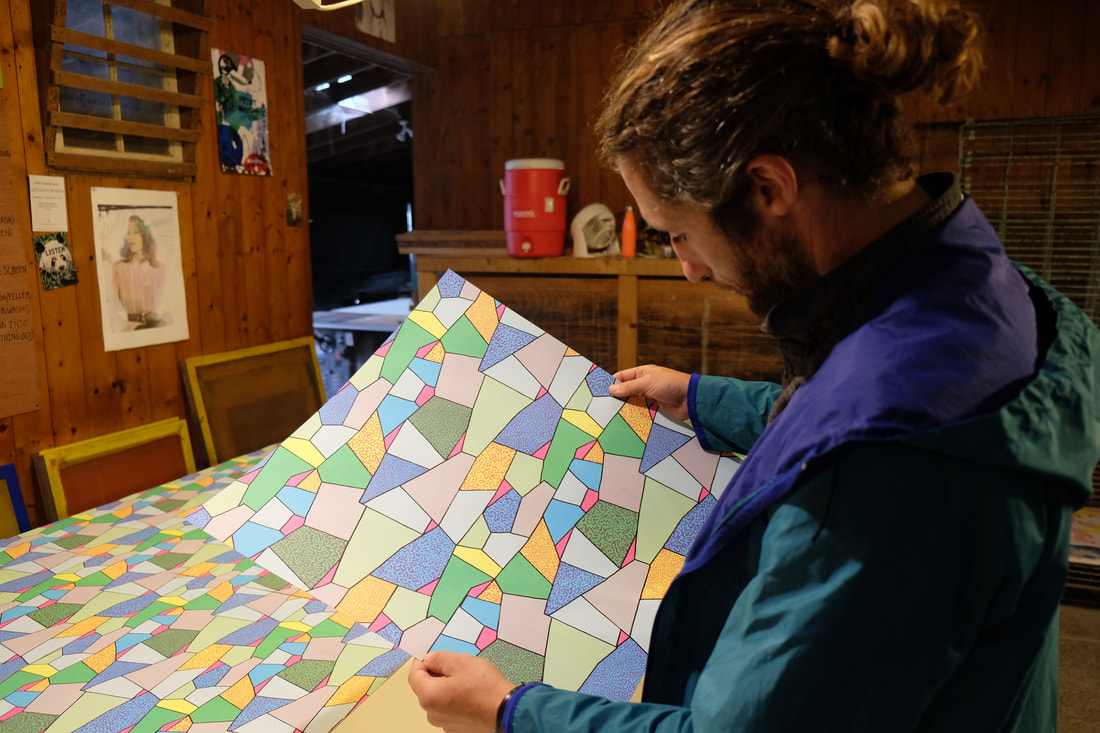
ALI FILIPPELLI – Shot of me reviewing a silkscreen from a residency at the Wassaic Project 2018
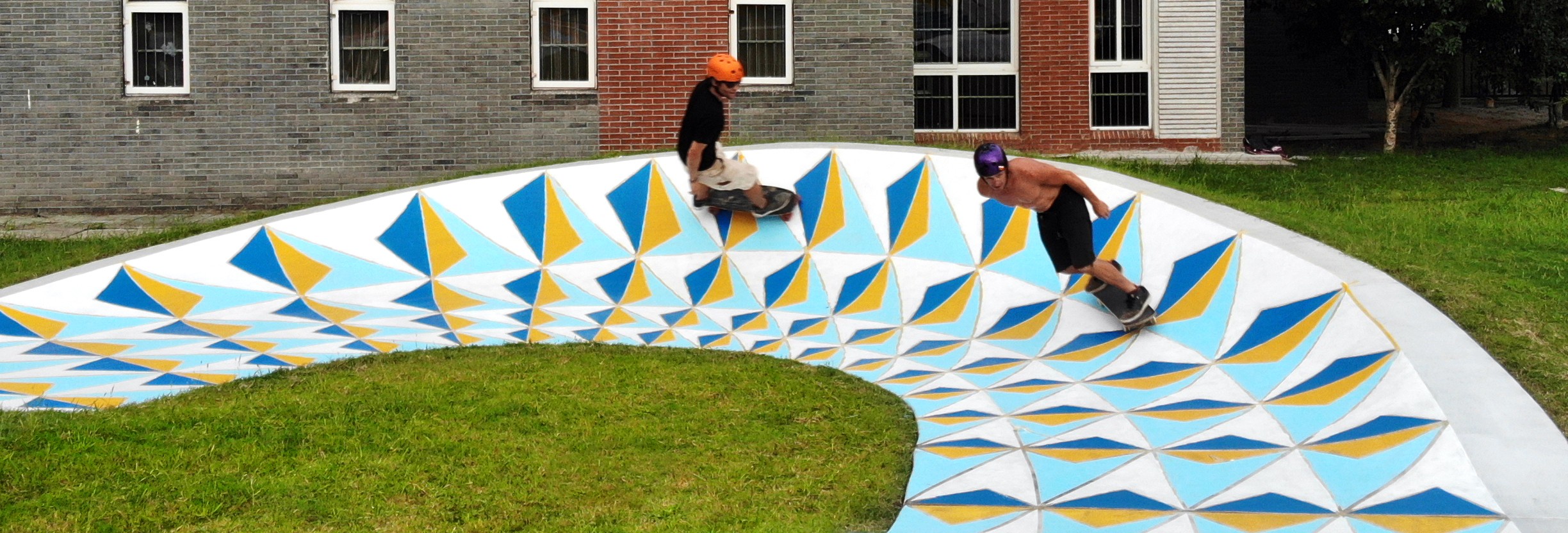
Unknown – Shot of me skating on my mural in Ningbo, China 2018
KASPAR HEINRICI – Shot of the Endless Knot Mural in Ningbo, China 2019
Unknown – Product shots of the Q fitness tracking bracelet 2016
Unknown – Product shot of a surfboard made with a graphic inlay I designed for a collaboration with Imperfects in 2020
KASPAR HEINRICI – Shot of this year’s Valentine for Ali Filippeli using all natural pigments (Sumac, Cosmo, Seaweed and Elderberry)
KASPAR HEINRICI – Scan of the original lobster watercolor that started the line of Maineimals apparel
KASPAR HEINRICI – Shot of a childrens sweatshirt with the Maineimals mermaid graphic
KASPAR HEINRICI – Shot of the brushed aluminum dolphin made at Austin Custom CNC in Austin, TX 2023
Unknown – Product Shot of a watch design from Fossil circa 2015