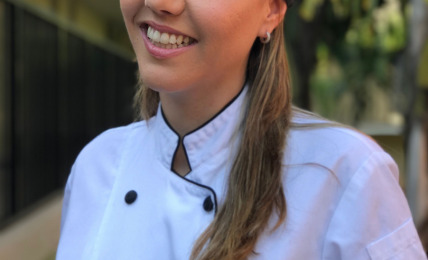
Meet Sierra Domb | Humanitarian & Advocate
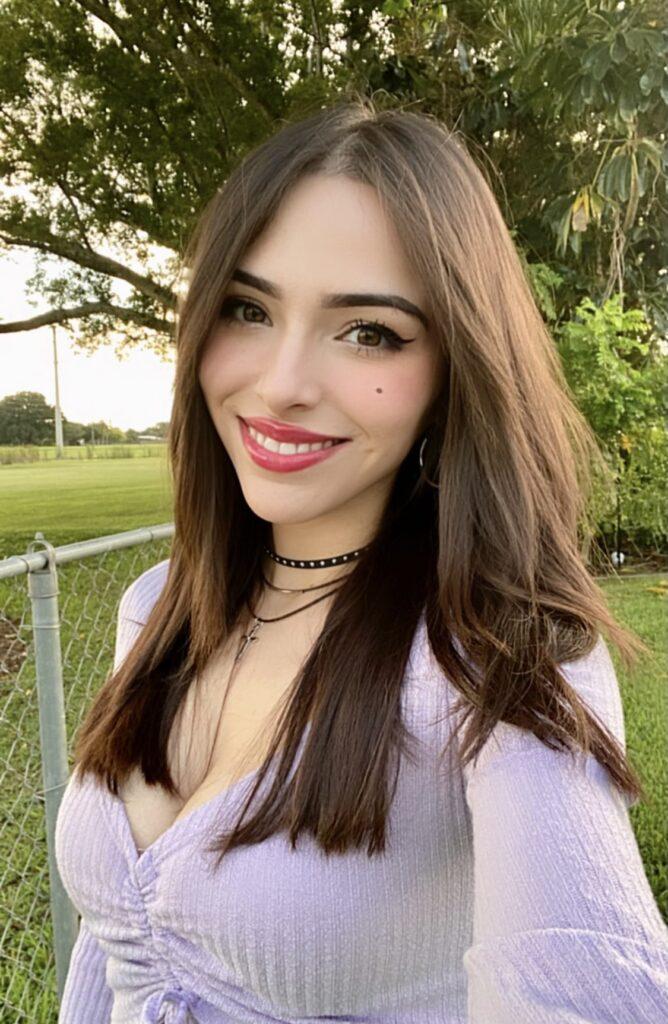


We had the good fortune of connecting with Sierra Domb and we’ve shared our conversation below.
Hi Sierra, have you ever found yourself in a spot where you had to decide whether to give up or keep going? How did you make the choice?
Countless people told me I couldn’t achieve my goals, citing my health challenges, age, being a woman, my background, my appearance (especially if it didn’t fit their personal standards), my perceived lack of traditional credentials, or even their own experiences as proof that someone like me, whom they saw as less capable, could not succeed. Much of society is insistent that everyone fit into a narrow, predefined mold and conform to others’ expectations. Yet it is precisely our differences and unique perspectives that make life interesting, inspire innovation, and drive progress. Growing up with medical challenges and feeling out of place often meant standing out in ways I hadn’t chosen, but it also helped me learn to think independently, question long-held assumptions, challenge societal norms rooted in historical injustices, and value substance, integrity, and action over talk or superficial measures of knowledge and worth.
Discomfort often comes hand in hand with change, but it’s often essential to progress. If we accepted things as they have always been, injustices and stagnation would persist and opportunities to make a positive difference would be lost. Keep the purpose behind your efforts in mind and think about how your actions can help others, even when the odds feel daunting. Progress is never guaranteed unless someone takes the first step, and perhaps that someone is you.
Can you give our readers an introduction to your business? Maybe you can share a bit about what you do and what sets you apart from others?
I’ve been navigating chronic pain and immune system attacks since childhood due to Autoimmune Dysregulation and a neurovascular disorder, Erythromelalgia. Managing the cost, time, stress, ineffective medications with dangerous side effects, and limited resources of the healthcare system while balancing school, work, responsibilities, and social life was already challenging. The onset of Visual Snow Syndrome (VSS), a neurological condition causing debilitating visual and non-visual sensory disturbances, added another layer of difficulty. At the time, there was no research, support, awareness, official recognition, or understanding of VSS within the global medical community. At one point, I could no longer adapt silently or try to manage my health struggles alone. Shortly after, learning that millions of people of all ages are also affected by VSS and other underrepresented conditions impacting both physical and mental health, I began channeling my experiences into global advocacy to help address marginalization, misdiagnosis, mistreatment, and the lack of representation and resources for patients.
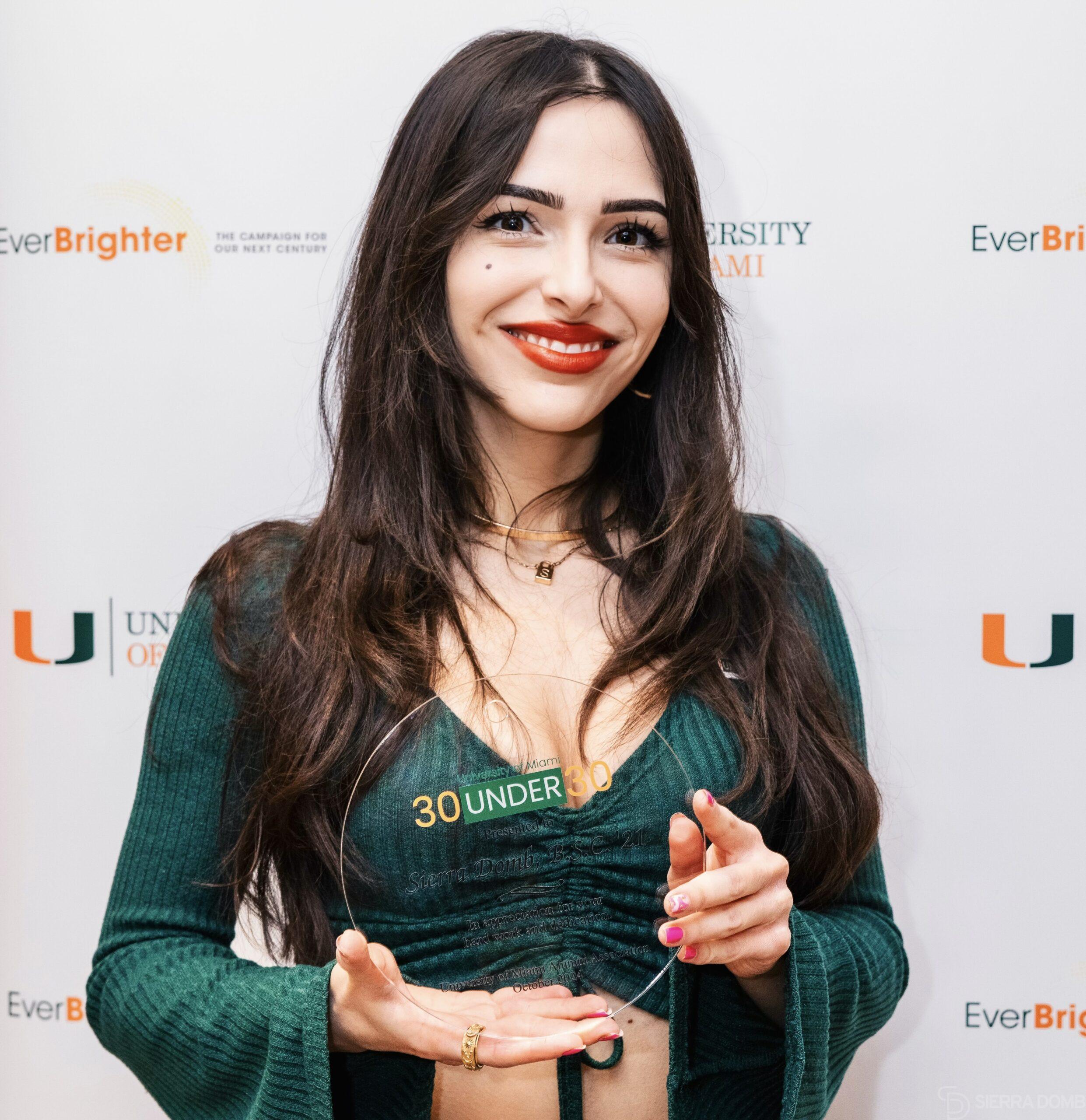
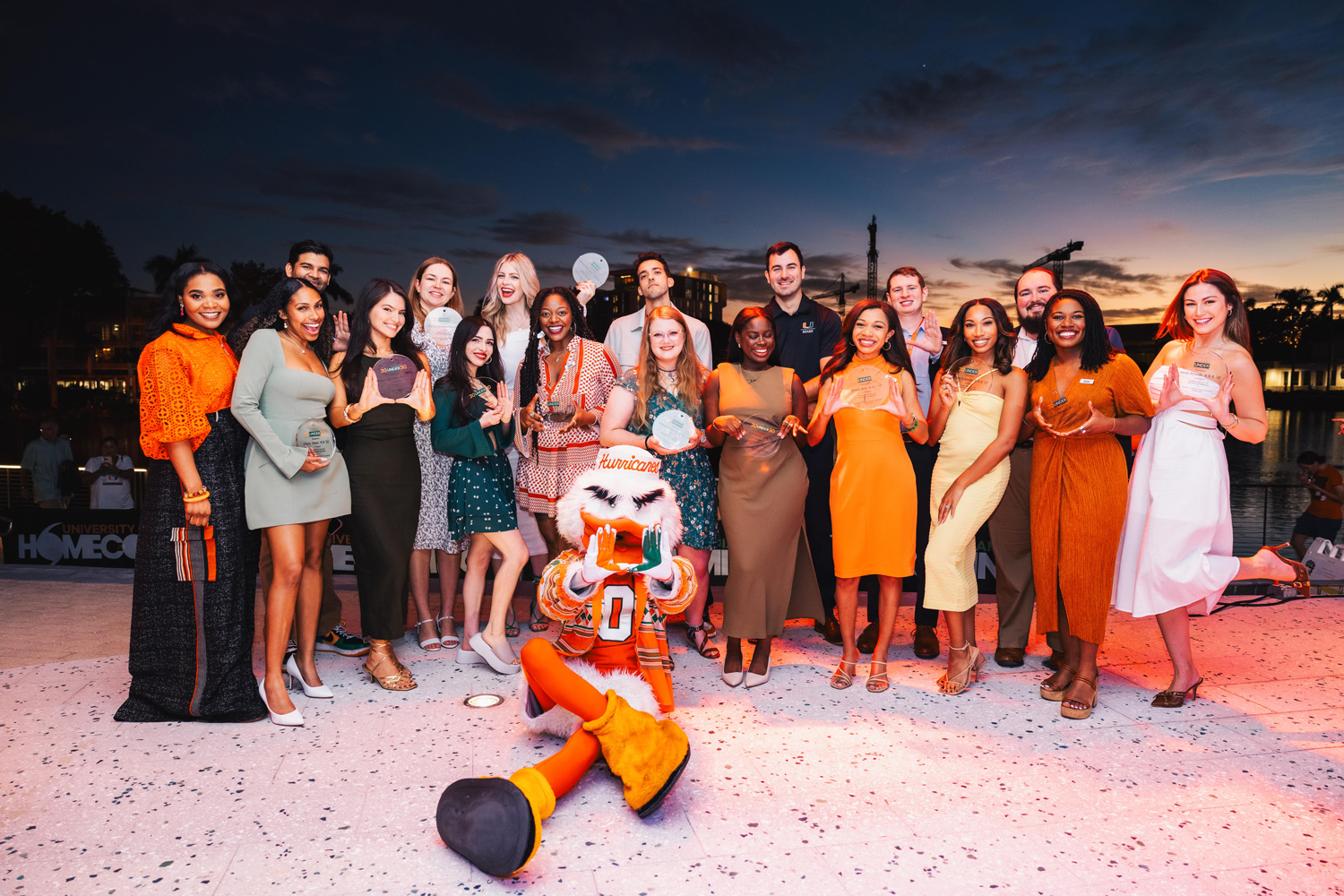
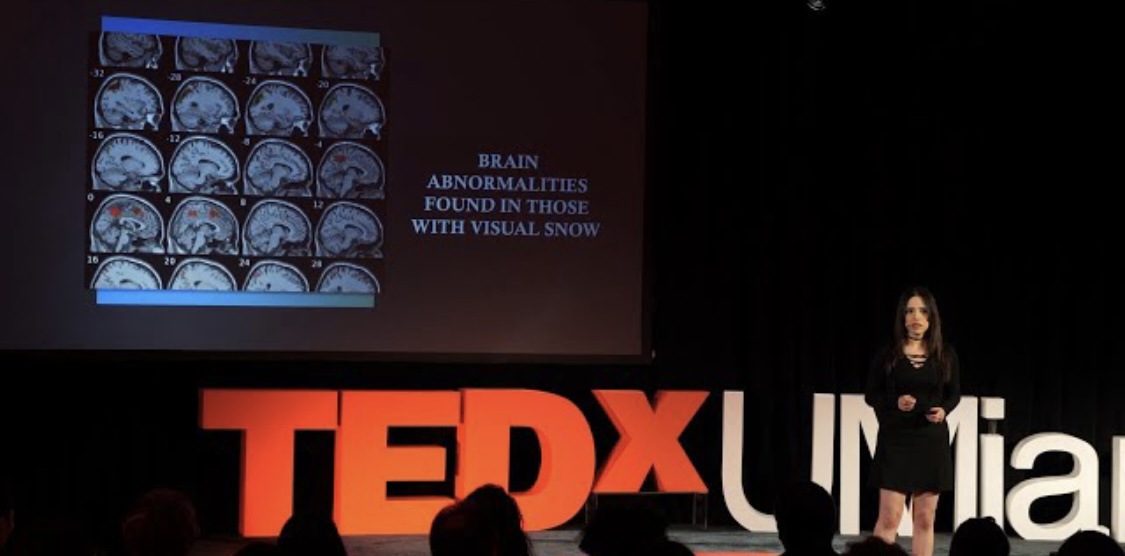
Initially, I pursued creative careers as a voice actor, writer, and radio host, as they felt lighthearted and offered a brief escape from the intensity of my health challenges. I was also pursuing my bachelor’s in communication studies and film but had to leave school due to increasing symptom severity. I eventually returned to college, learning to navigate new limitations with resilience, and shifted my focus to health communication, research methods, behavioral sciences, and neuroscience to better understand these conditions and develop thoughtful, multimodal solutions that support patients, doctors, and researchers. After completing my degree, I delivered a TEDx Talk titled “What is Visual Snow? Transforming Anguish into Action”, sharing my journey and insights. It was a meaningful, full-circle moment to be honored with the University of Miami’s 30 Under 30 Award and United Latinas’ Extraordinary Latinas recognition for my humanitarian contributions to Visual Snow Syndrome and advocacy on underrepresented health topics. This work includes accessible education on homeostasis and the interplay of neurotransmitters and hormones in women’s health and chronic illness. The organization, United Latinas, also invited me to contribute to the book “Extraordinary Latinas, Volume V”. My chapter is titled “Transforming Pain into Progress: A Life Shaped by Illness, Resilience, Inquiry, and Action”.
My work integrates lived experience, professional expertise, and academic training. I built infrastructure to support global scientific collaborations, translate findings into actionable initiatives, help develop evidence-based treatments, and create accessible resources to bridge gaps between patients, doctors, and researchers, especially for overlooked conditions and demystifying complex medical concepts. I also share education through articles, presentations, programs, videos, podcasts, and public events, collaborating with the scientific community and public figures. This work often focuses on Visual Snow Syndrome and Erythromelalgia, transforming scientific research into practical tools and accessible knowledge that help people, alongside qualified medical professionals, make informed care decisions. It also addresses how physical symptoms can compound mental health challenges while navigating a world that is not always accessible or understanding.
I founded the nonprofit organization Visual Snow Initiative (VSI) and have served on the International Advisory Board for the Columbia-WHO Center for Global Mental Health. Beyond that, my work as an author, collaborator, and speaker for the Oxford Mindfulness Foundation and the Erythromelalgia Association has allowed me to contribute to global awareness and the development of research-based, accessible resources. I coordinated the effort that secured the first-ever ICD recognition of Visual Snow Syndrome and its hallmark symptom, visual snow, from the World Health Organization, marking a historic milestone in global clinical and scientific acknowledgment of this complex neurological condition. My work facilitated multidisciplinary research collaborations with institutions worldwide, including King’s College London (England), MIT, UCLA, UC Denver, University of Perugia (Italy), Monash University (Australia), University Hospital of Bern (Switzerland), Johns Hopkins, the Mayo Clinic, and more. These efforts sparked VSS research in multiple countries, leading to discoveries on biomarkers, pathophysiology, symptomatology, advanced technologies, and potential treatment options where none previously existed. To date, we have connected with people impacted by VSS in 93 countries.
My initiatives have established foundational diagnostic criteria for VSS, created a global physician directory, developed comprehensive websites, guides, and tools, launched awareness campaigns and events, produced multimodal educational and pediatric resources, facilitated virtual support groups, and hosted an international conference connecting researchers and affected individuals. The frameworks I developed are broadly applicable to fields seeking ethical, accessible, human-centered, and science-informed solutions for underserved populations, fostering collaboration, innovative problem-solving, and outcome-driven resources that advance equitable knowledge dissemination.
If you had a friend visiting you, what are some of the local spots you’d want to take them around to?
This is a common misconception, but Miami isn’t only South Beach and Brickell. These areas don’t fully encapsulate the entire city. Trendy spots can be fun, but locals often know interesting places that feel true to everyday life and are more reasonably priced. Supporting small businesses and neighborhood food, music, and art is one of the best ways to experience the city, reflecting communities whose voices help shape Miami but aren’t always highlighted in mainstream narratives.
Fully acknowledging my bias, I’d invite friends who are visiting to my abuela’s house, a communal space that embodies the lively yet “cariñoso” spirit of Miami. Our Caribbean side, including Cuban and Trinidadian heritage, would cook croquetas, arroz con pollo, curry chicken, tomato choka, and plantains. We’d play music from jazz with Afro-Cuban roots and salsa to soca and parang during the holidays. I’ve also taken friends to free salsa and merengue classes and especially enjoy the live bands and cuisine around Calle Ocho, which highlights the city’s mix of Caribbean and Latin American influences.
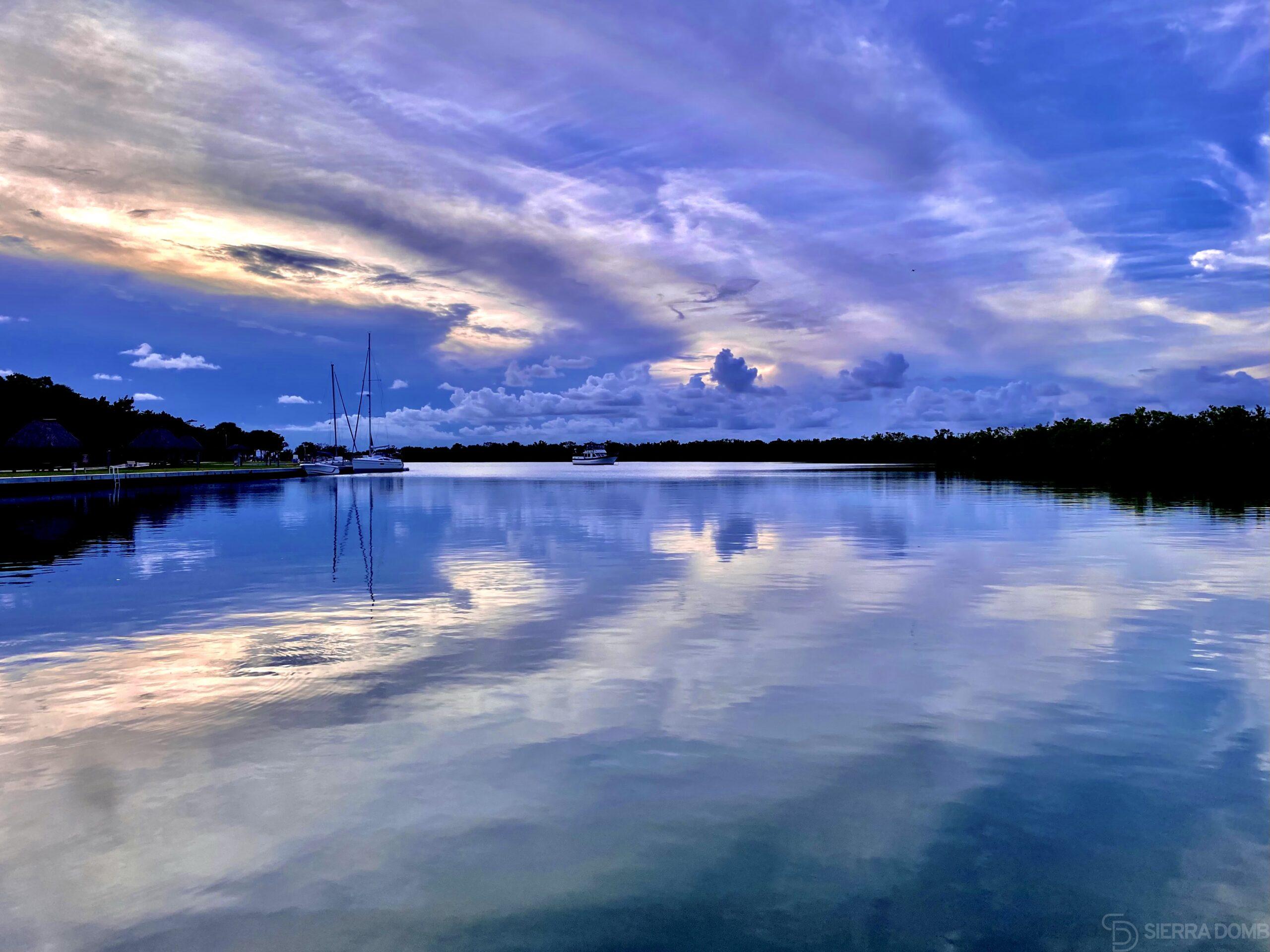
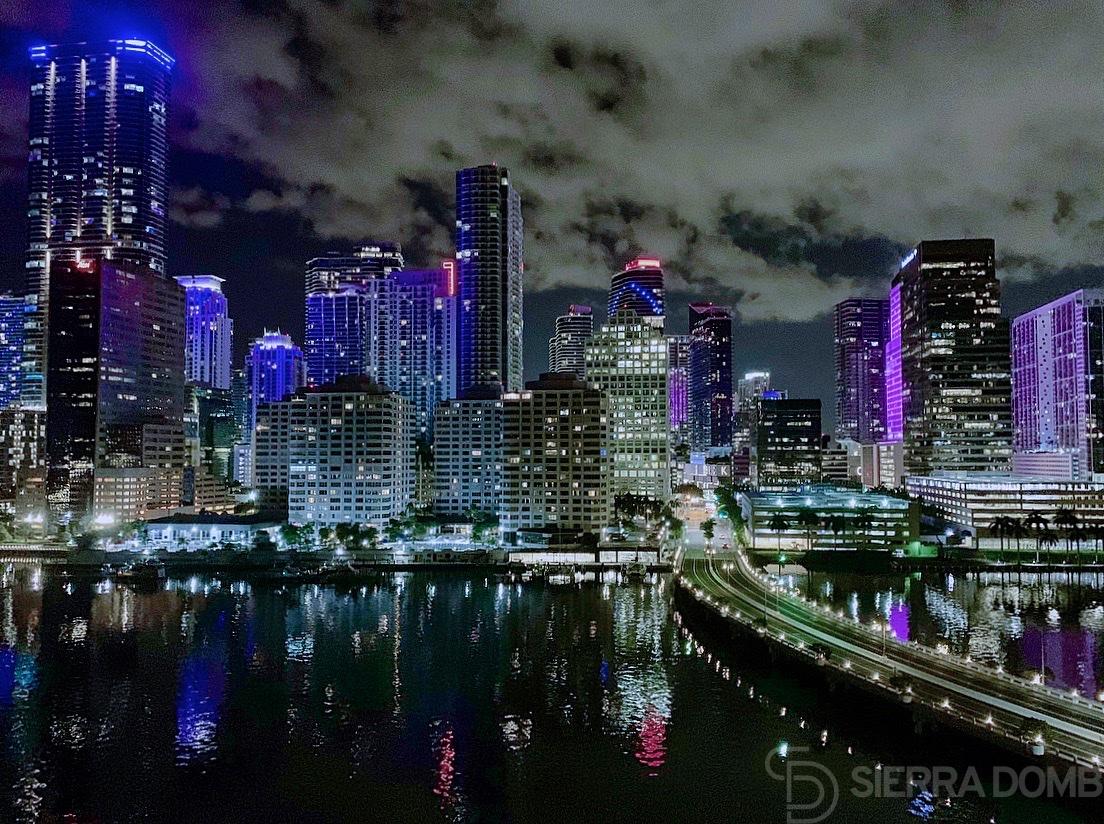
Miami’s known for its nightlife and clubs, but it also has beautiful, relaxing natural spaces like Bill Baggs, Fairchild, reserves, and public parks, with gardens, birds, and manatees. As a hobby, I enjoy photography and often found inspiration in Miami’s scenery, from wildlife and sunsets to the city skyline. There are beaches beyond South Beach, ranging from quiet, peaceful spots to areas great for paddleboarding, jet skiing, boating, snorkeling, or simply enjoying the ocean. From Miami, you can also visit the Florida Keys for additional aquatic activities, local dining, and historic sites. Conservation efforts and wildlife sanctuaries throughout Miami and the Keys play an important role in protecting ecosystems such as coral reefs, native plants, and marine organisms, which provide essential habitats and protection for sea life.
I’d also give anyone visiting a heads-up about the heat and humidity, especially in summer or if unaccustomed. Bringing a portable fan, cold drink, hat, sunscreen, and/or umbrella can help you stay comfortable outdoors. It also helps to know some Spanish or be fluent, since it’s widely spoken, though you can still get by with English too. There’s always something new happening in Miami, from festivals to pop-ups, so it’d be worth checking what’s going on that week for fresh experiences.
The Shoutout series is all about recognizing that our success and where we are in life is at least somewhat thanks to the efforts, support, mentorship, love and encouragement of others. So is there someone that you want to dedicate your shoutout to?
My body of work is dedicated to those who suffer, feel different, unheard, or unseen, as well as those who choose kindness, offer support, take action, or do their best to be there for others despite life’s challenges. Thank you to everyone who, while facing their own challenges, offered me kindness, collaboration, and encouragement, including my partner, parents, friends, loved ones, professional team, collaborators, and all who have supported and believed in the many causes that help make the world a better place. I admire people who refuse to pass along the hurt from life’s hardships, others’ cruelty, or broken systems, and instead choose to transform it into compassion, strength, and advocacy.
Website: https://sierradomb.com
Instagram: https://www.instagram.com/visualsnowinitiative
Linkedin: https://www.linkedin.com/in/sierradomb
Twitter: https://twitter.com/VisualSnowInit
Facebook: https://www.facebook.com/visualsnowinitiative
Youtube: https://www.youtube.com/c/visualsnowinitiative
Other: Visual Snow Initiative — Sierra Domb’s Nonprofit:
Sierra Domb’s TEDx Talk — What is Visual Snow? Transforming Anguish into Action
VSI 4 Kids — Pediatric Visual Snow Syndrome Resource:
TikTok:
@visualsnowinitiative
Google Scholar:
https://scholar.google.com/citations?user=vUGqt_cAAAAJ
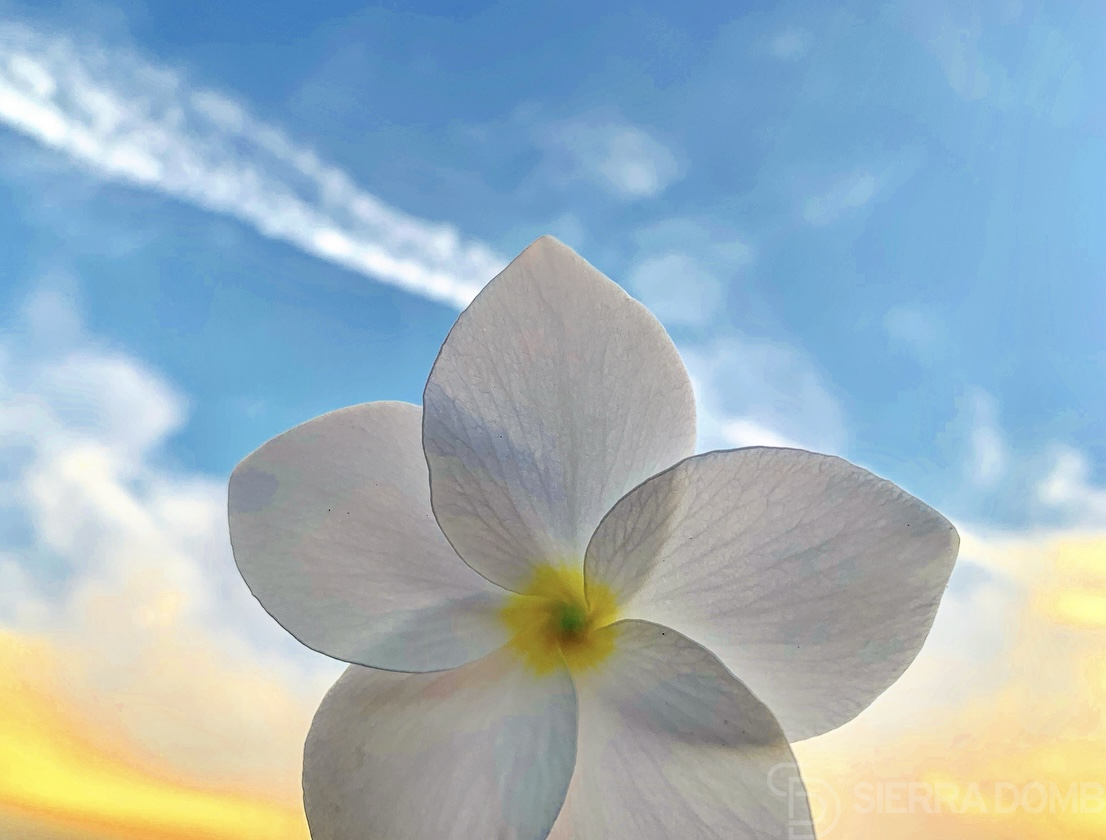
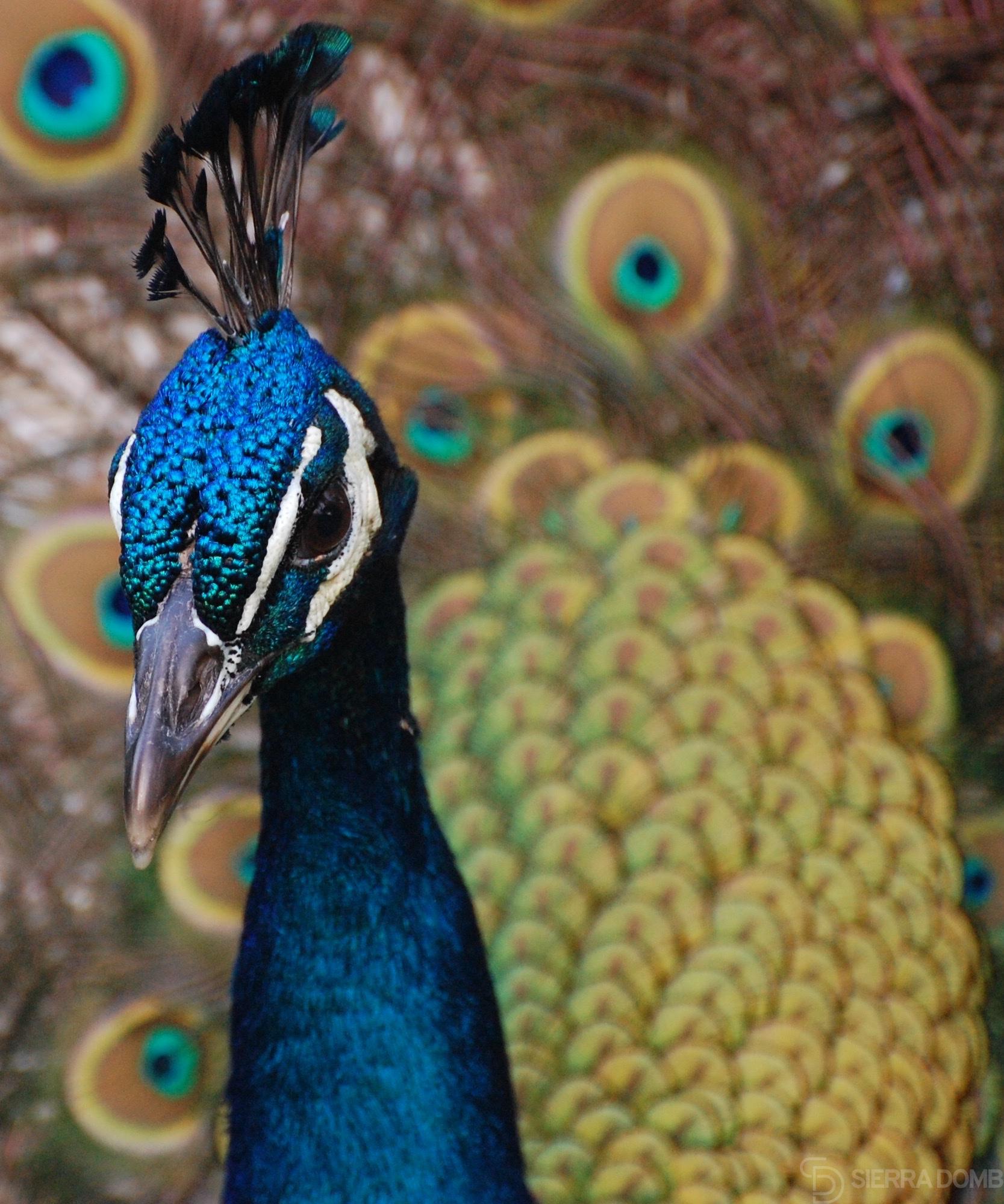
Image Credits
Images Credits:
Sierra Domb Photography
Visual Snow Initiative
TED/TEDx
University of Miami