Meet Eliana | Mental Health Therapist, Author, Artist


We had the good fortune of connecting with Eliana and we’ve shared our conversation below.
Hi Eliana, can you walk us through the thought-process of starting your business?
I’ve always been a creative person. Some of my earliest memories are of sitting at the dining room table with my mother in Italy, drawing faces for hours while the television played in the background. It felt as though I was born with crayons in my hand. When I learned to read and write, I started creating my own illustrated stories, often inspired by the books my elementary school teachers read to our class. Looking back, storytelling, creativity, and curiosity about people were always there.
After moving to the United States, I continued following my love of learning. I’ve always been fascinated by languages and cultures and eventually became fluent in four languages. I attended college and later graduate school in New York City. Like many people, I didn’t have a perfectly mapped-out plan. One opportunity led to another, and my path evolved over time.
Before becoming a therapist, I worked in the corporate world. While it was valuable experience, I realized I wanted something different. I wanted work that felt meaningful, allowed me to help people directly, and gave me the freedom to create my own vision rather than build someone else’s. That realization became one of the driving forces behind my decision to start my own business.
Opening a private practice allowed me to combine independence with purpose. Over time, I developed a specialization in OCD and anxiety disorders and built a practice centered on helping people overcome fears that often keep them from living fully. Being my own boss also gave me the freedom to pursue other creative projects that are deeply meaningful to me.
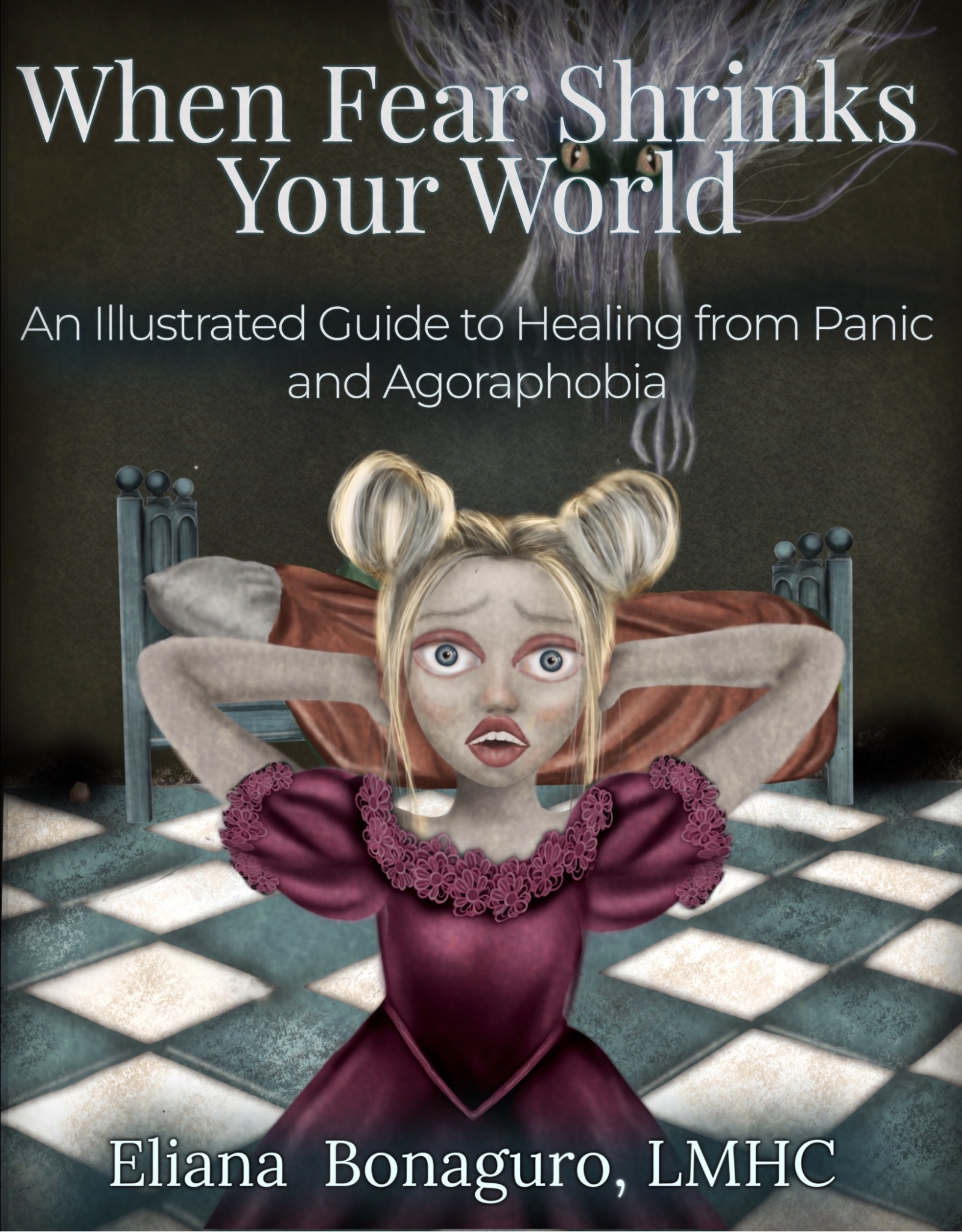
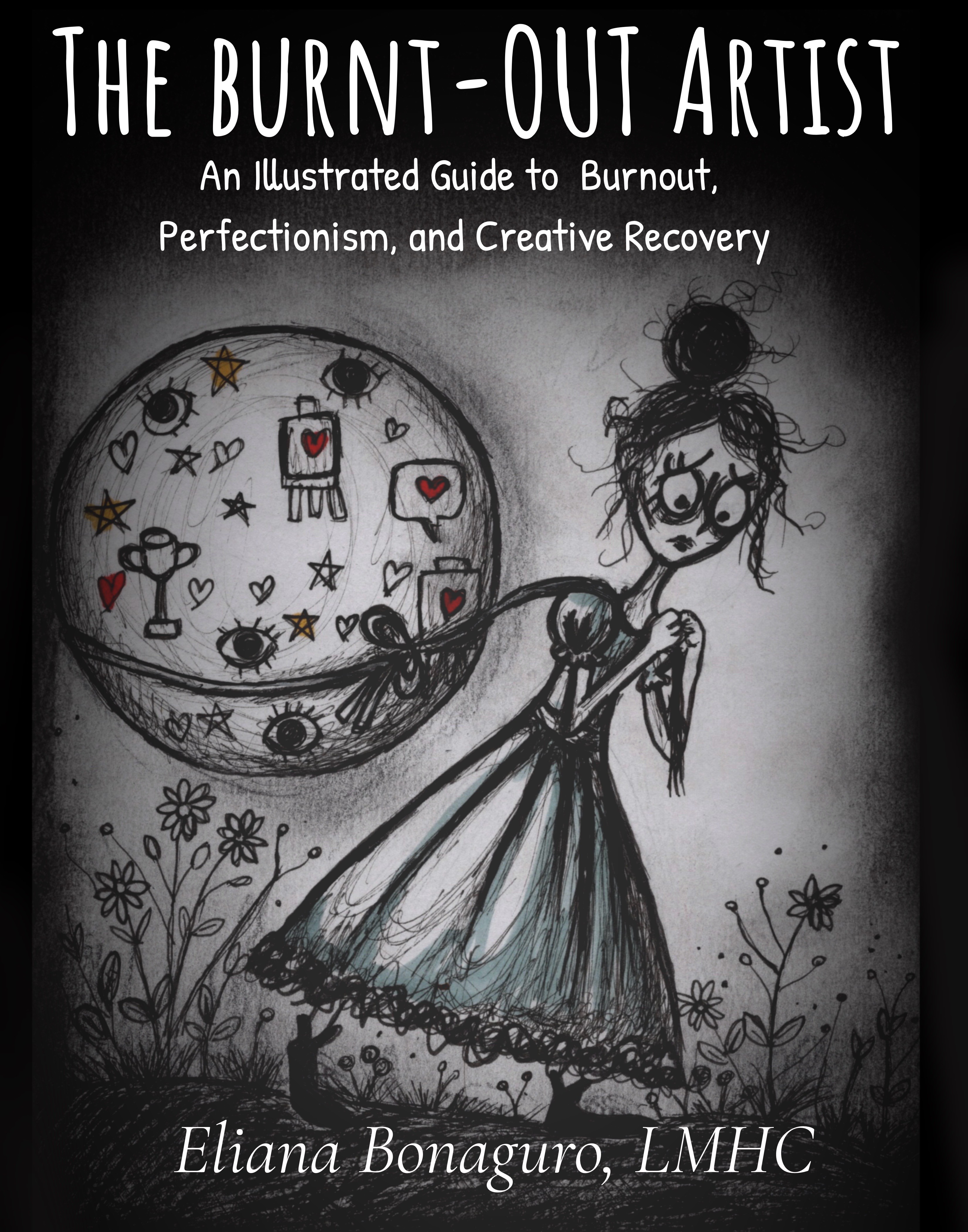
In recent years, the different parts of my life have come together in an unexpected way. Alongside my clinical work, I write and illustrate mental health books designed to make complex psychological concepts easier to understand. My latest illustrated guide on panic disorder and agoraphobia combines fine art, pop surrealism, and evidence-based clinical knowledge in a visual self-help format. Through metaphor, imagery, and storytelling, I try to make psychological concepts more accessible and engaging for readers. Creating these books has allowed me to bridge two lifelong passions: helping people through psychology and expressing ideas through art.
Looking back, it feels less like I started a business and more like I gradually built a career around the things that have always mattered to me: creativity, independence, lifelong learning, and helping others. In many ways, I’m still doing what I loved as a child sitting at that dining room table. I’m still creating, still telling stories, and still hoping that something I make will help someone see themselves in a new way.
Can you give our readers an introduction to your business? Maybe you can share a bit about what you do and what sets you apart from others?
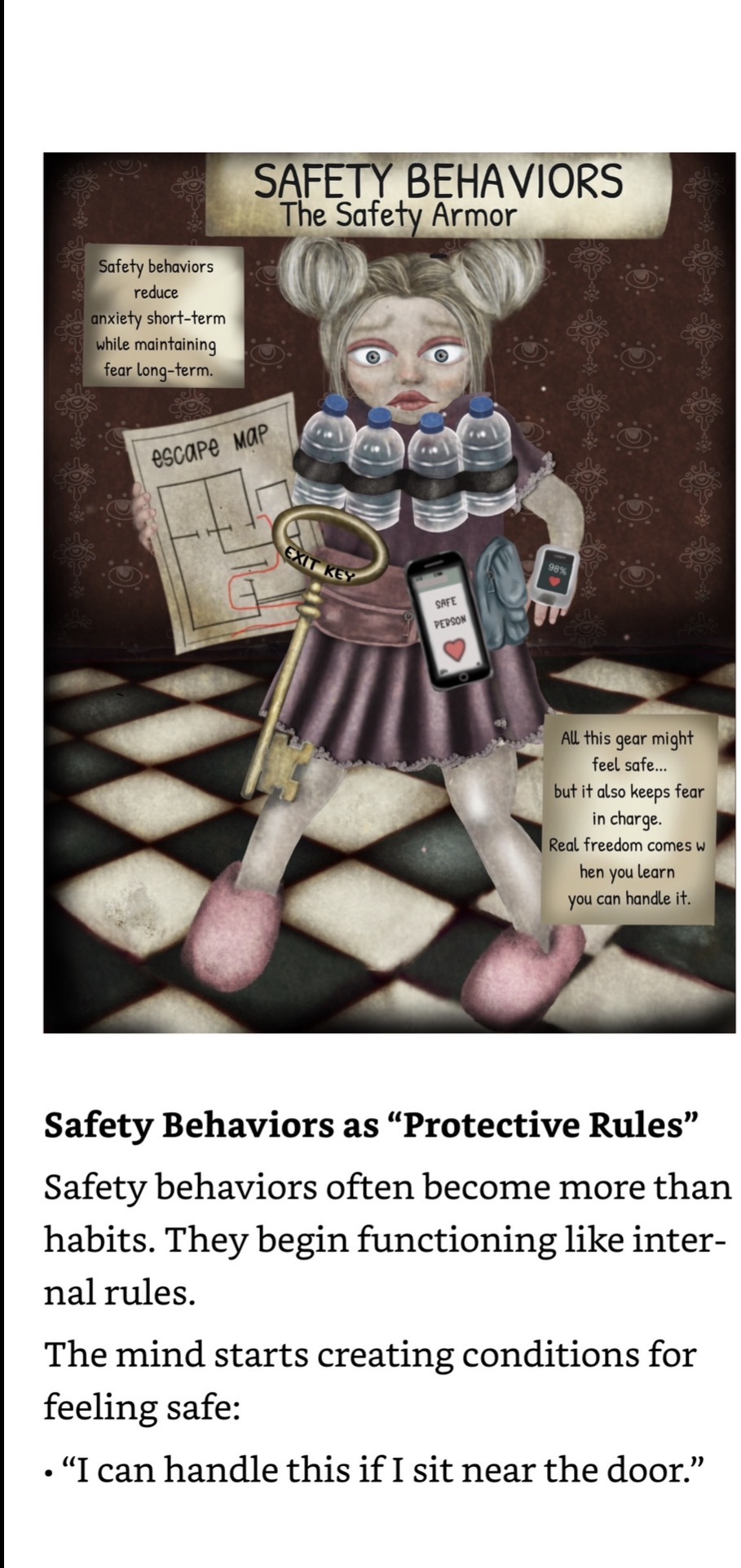
I specialize in treating OCD, panic disorder, phobias, and anxiety disorders, conditions that often require specialized training beyond what many therapists receive in graduate school. Much of this work relies on helping clients understand complex concepts such as the cognitive model, exposure therapy, safety behaviors, and the ways thoughts, feelings, and behaviors interact.
Early in my career, I noticed that many clients struggled not because they lacked motivation, but because these concepts can be difficult to grasp when explained only through words. As someone who has always loved both art and storytelling, I began using visual metaphors, diagrams, and illustrations to help clients better understand their experiences. Instead of simply explaining a concept, I might draw it, map it out visually, or create an image that captures how the disorder operates.
What surprised me was how much this transformed the learning process. Clients often tell me that concepts suddenly “click” when they can see them. The material becomes less intimidating, more engaging, and easier to remember. I’ve found that this approach often increases understanding, participation, and confidence in the therapeutic process.
I’m especially proud of how this work has expanded beyond the therapy room. In recent years, I’ve written and illustrated several mental health guides, including a visual guide on panic disorder and agoraphobia that combines evidence-based psychology with fine art and pop surrealism. My goal has always been to make complex psychological concepts more accessible, human, and relatable. If there’s one thing I’d want people to know about my work, it’s that healing doesn’t have to be dry or intimidating. Sometimes understanding begins with a story, a metaphor, or an image that helps someone finally see themselves differently.
Any places to eat or things to do that you can share with our readers? If they have a friend visiting town, what are some spots they could take them to?
If a friend were visiting Miami for a week, I’d want them to experience the city’s creativity, diversity, and energy rather than just the typical tourist attractions.
One of our first stops would be Wynwood. As an artist, I love being surrounded by murals, galleries, and creative spaces, and it’s one of the places that best captures Miami’s artistic spirit. We’d spend time wandering through the neighborhood, discovering new artwork, and visiting local galleries.
I’d also take them to the Design District, which feels like an outdoor museum where art, architecture, fashion, and design all come together. For someone who appreciates creativity, it’s one of the most inspiring areas of the city.
Of course, no visit to Miami would be complete without spending time by the water. We’d explore South Beach, walk along Ocean Drive, and enjoy the unique blend of cultures that gives Miami its personality. I’d also want them to experience Little Havana, where you can feel the city’s rich Latin influence through the music, food, and atmosphere.
One of my favorite things about Miami is that it’s a city where so many cultures, languages, and artistic influences intersect. As someone who grew up in Italy, speaks four languages, and has always been fascinated by culture and creativity, I find that energy incredibly inspiring.
The perfect Miami week would include great food, art, architecture, ocean views, and lots of wandering without a strict plan. Some of the best discoveries happen when you simply explore and let the city surprise you.
Who else deserves some credit and recognition?
I’d like to give a shoutout to two people who have influenced me in different but equally important ways: Ryan Sherman and Zachary Golba.
Ryan Sherman has been a friend for many years and one of the most entrepreneurial people I’ve ever known. Over the years, he has founded multiple businesses, including Mommies Who Know in New York City, a real estate company, and a home care agency. What always stood out to me was his determination to create his own path rather than simply follow the traditional career track. Long before I started my own business, Ryan showed me that it was possible to build something of your own. Watching him take risks, pursue ideas, and create opportunities was an education in itself and helped shape how I think about entrepreneurship.
Zachary Golba influenced me in a different way. From him, I learned the value of discipline, patience, consistency, and a strong work ethic. He has always encouraged me to pursue my goals and believe in my abilities, even when I doubted myself. Building a private practice, writing books, and developing creative projects all require persistence, and Zachary’s example taught me that meaningful accomplishments are often the result of showing up day after day and doing the work.
Both Ryan and Zachary helped me see that success is not just about talent or good ideas. It’s about having the courage to pursue your vision and the discipline to keep going long after the initial excitement fades. I’m grateful for their friendship, encouragement, and the lessons they’ve taught me along the way.
Website: https://www.ellie-counseling.com/
Instagram: @eliana_bonaguro_lmhc
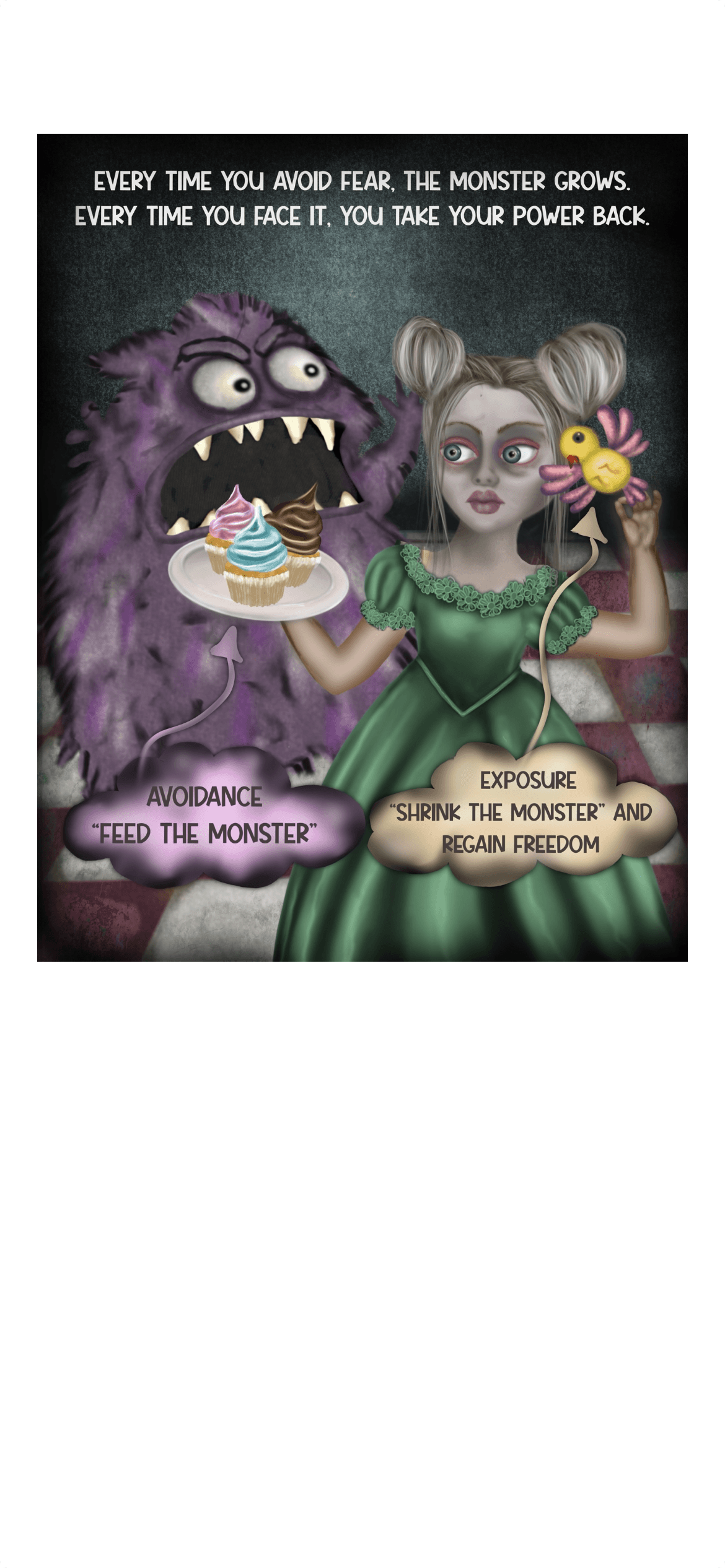
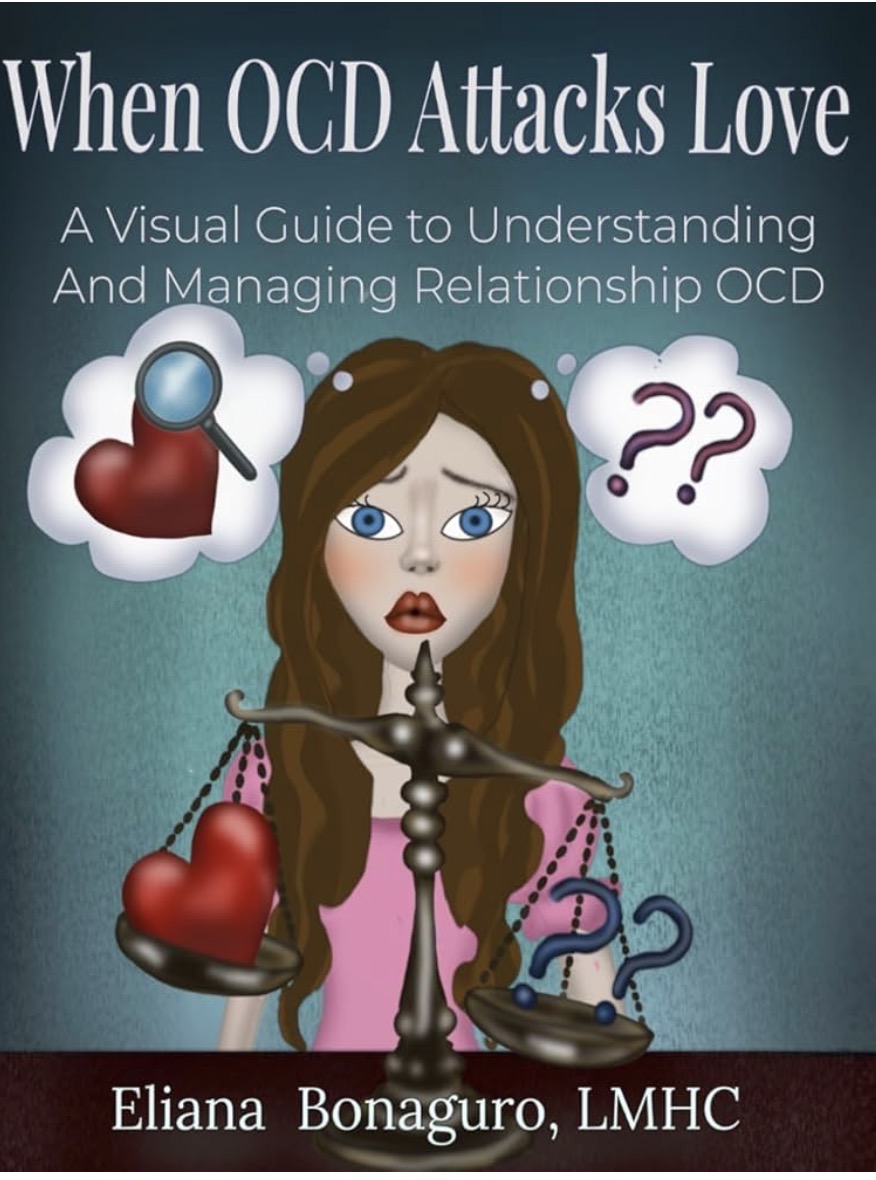
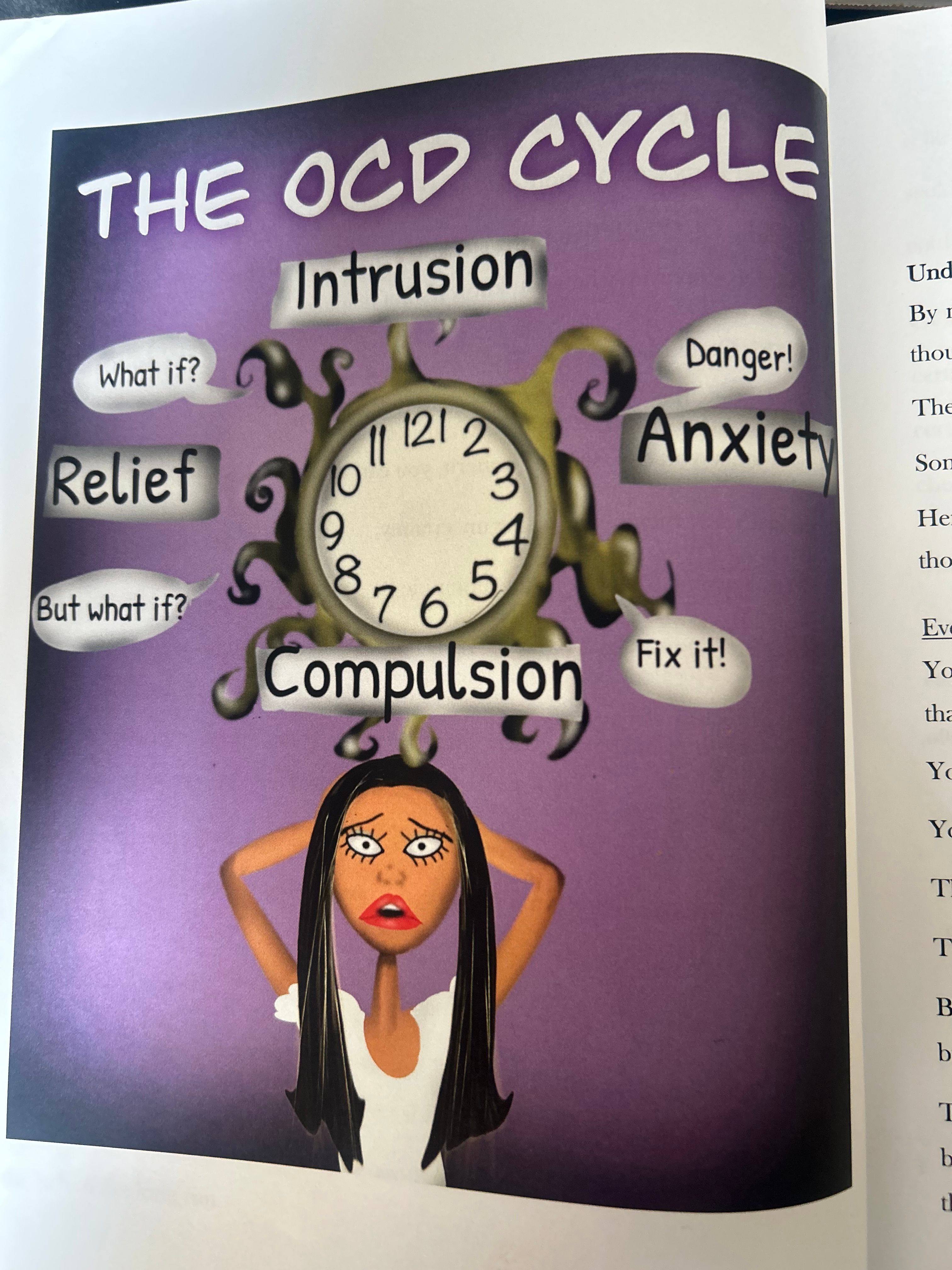
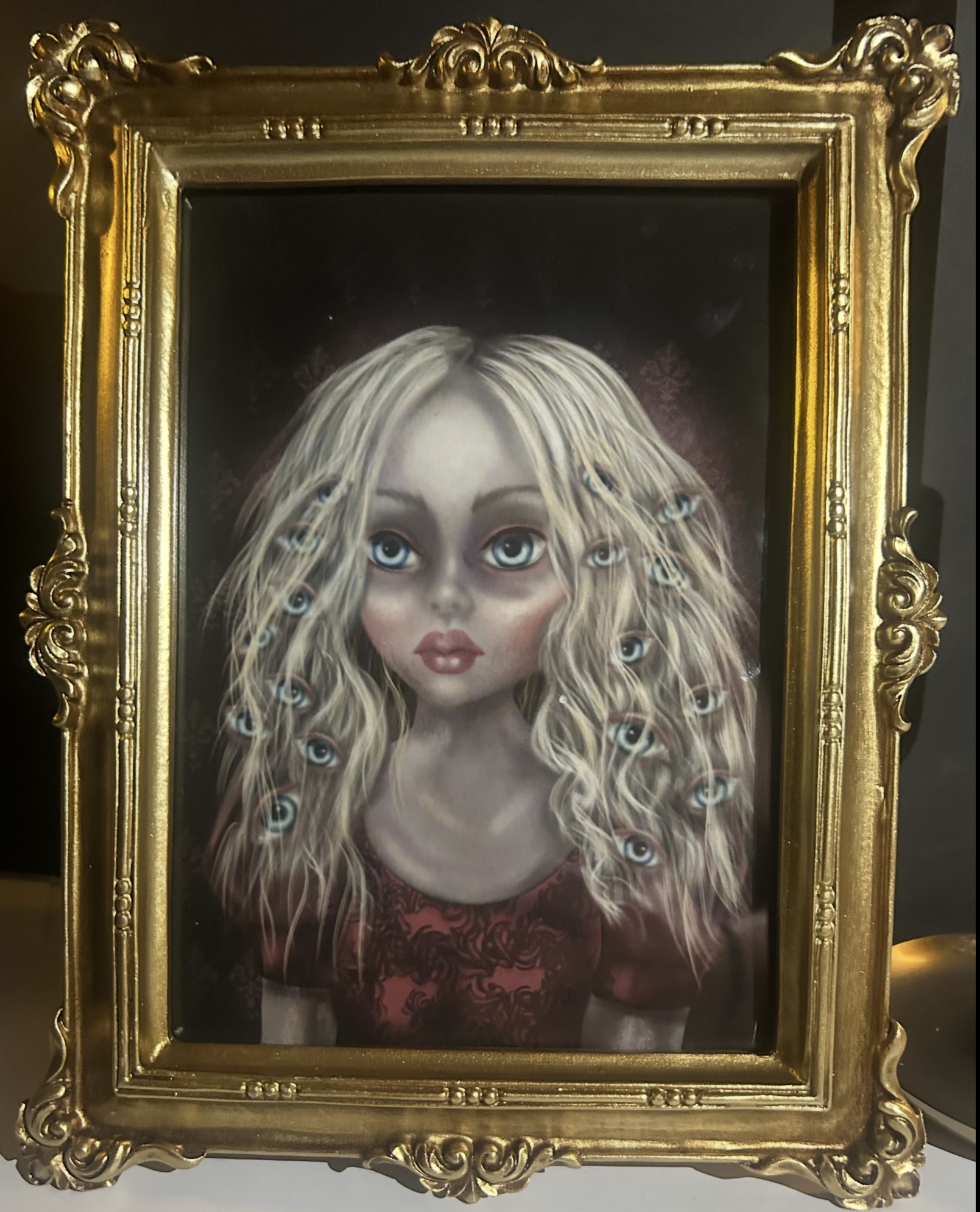
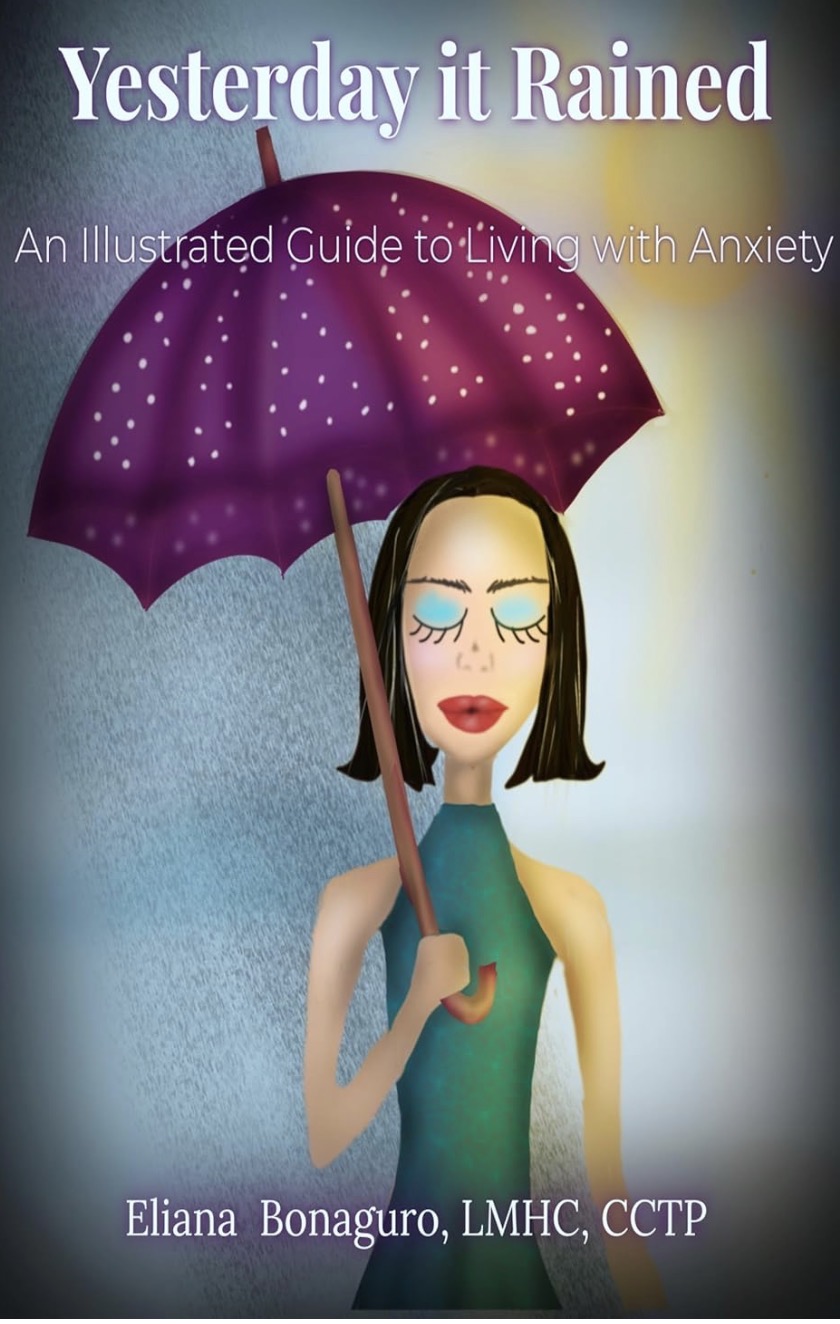
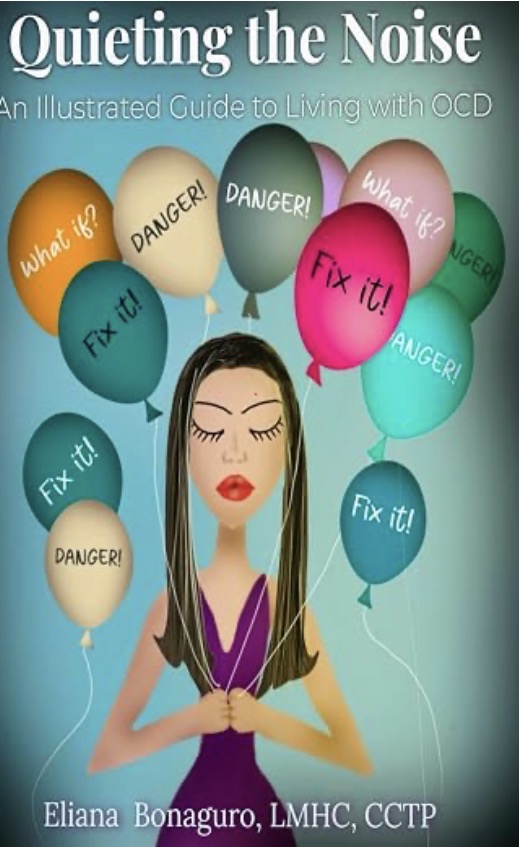
Image Credits
I have permission to use these pics