Meet John David Harris | Writer/ Director
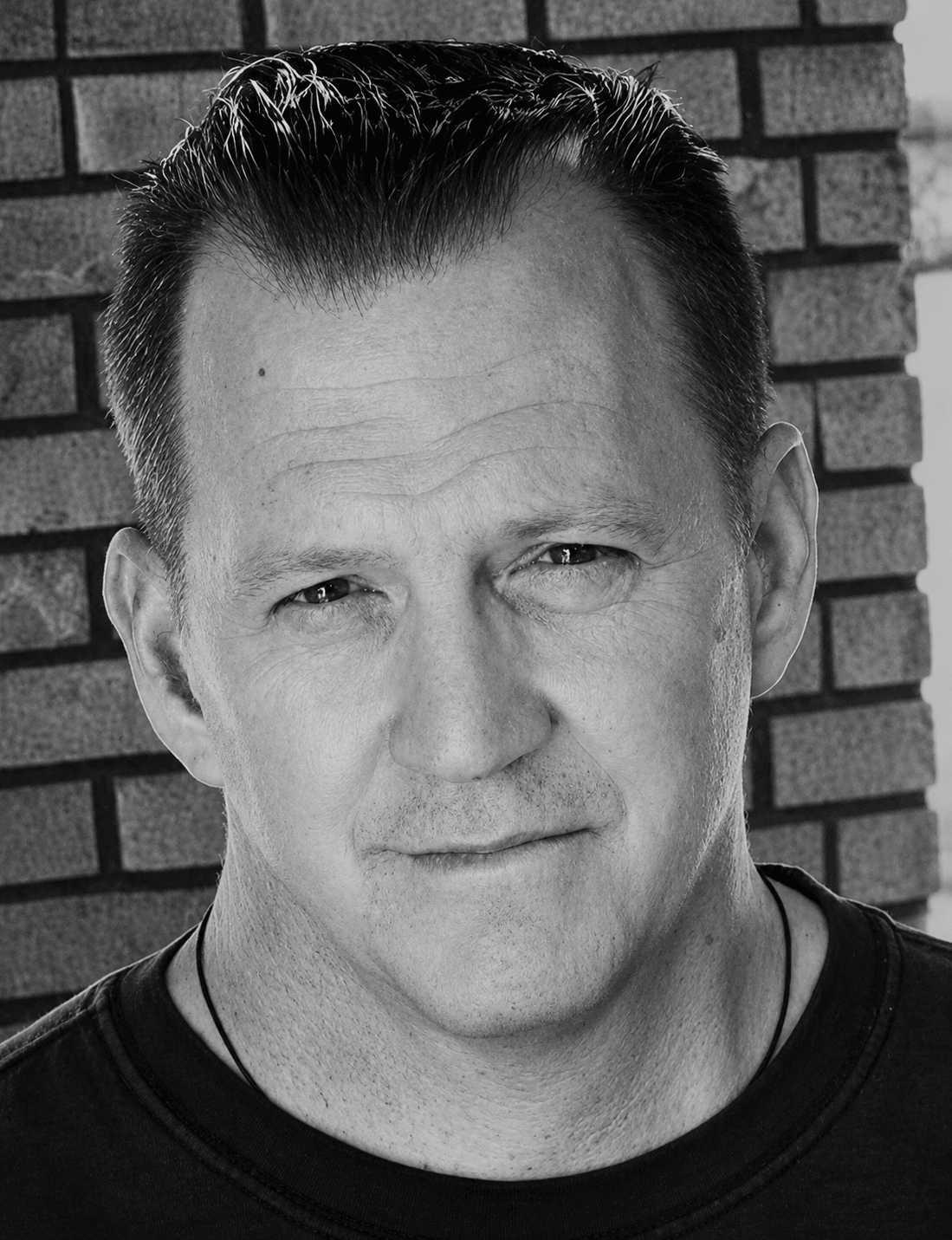


We had the good fortune of connecting with John David Harris and we’ve shared our conversation below.
Hi John David, we’d love to hear about how you approach risk and risk-taking.
I’ve always believed that life is about risk. If you’re not willing to take chances, you’re almost certainly limiting your opportunities for success. Every meaningful thing I’ve achieved—in my career and in life—has come with some level of uncertainty.
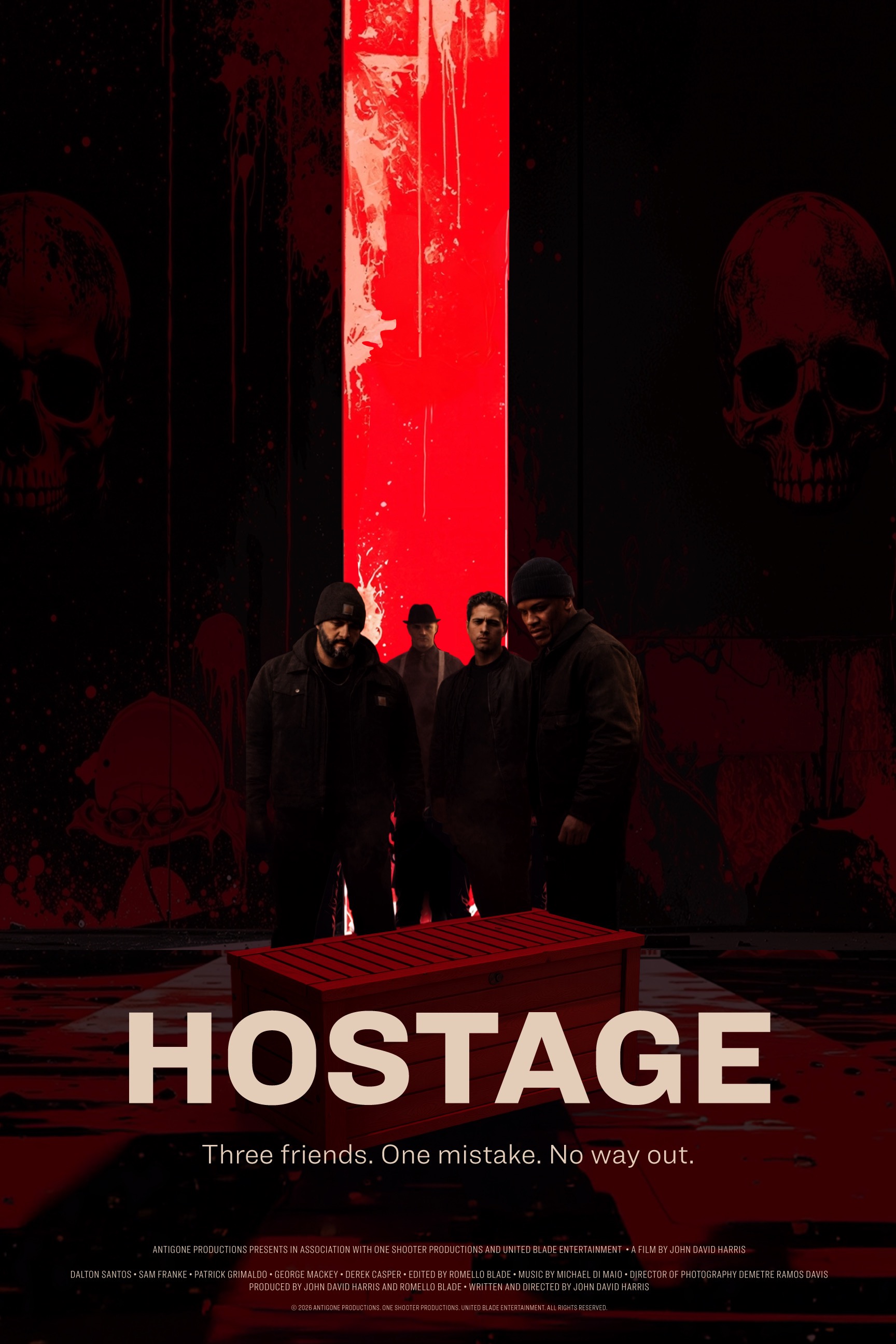
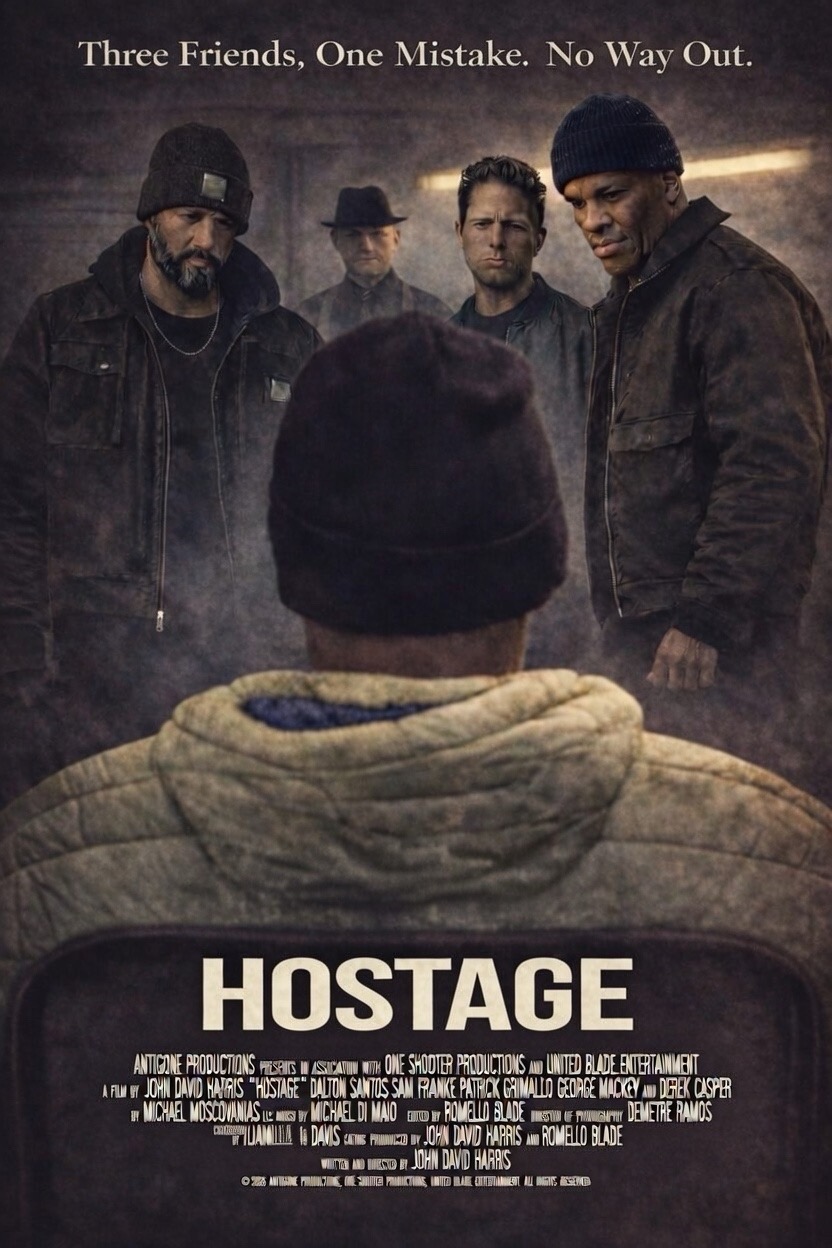
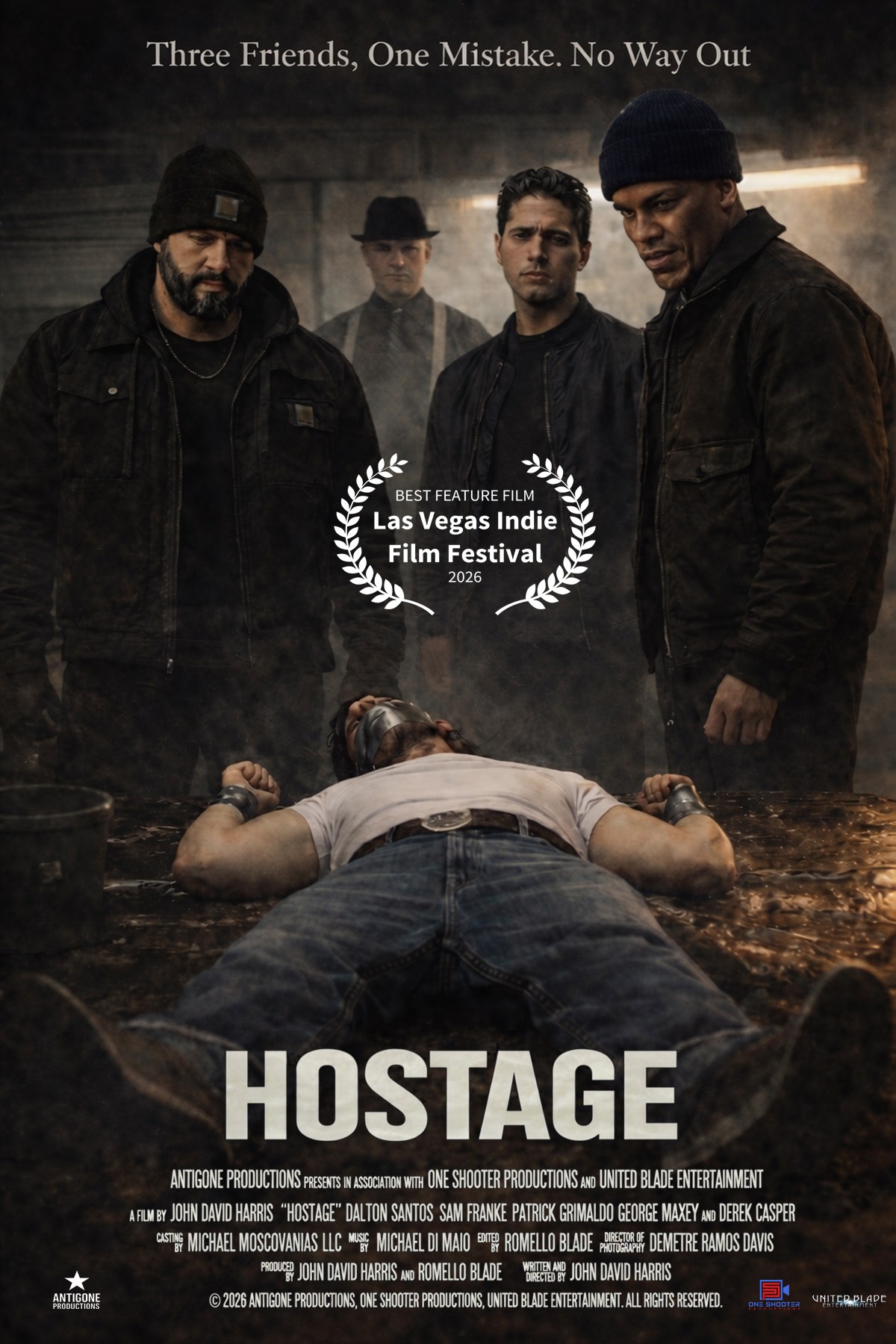
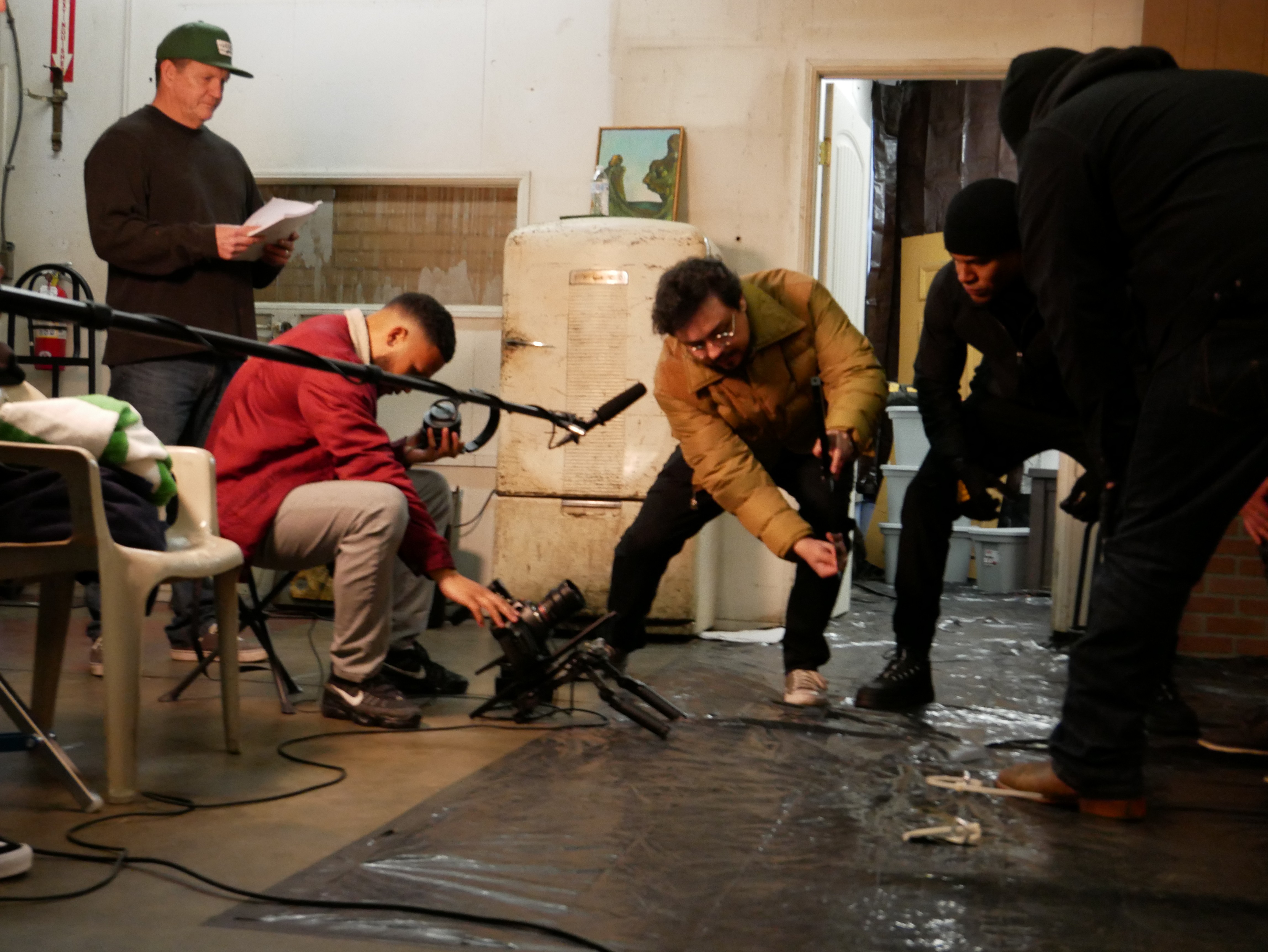
Making an independent feature film is the opposite of the safe path. When I wrote HOSTAGE, there was no guarantee anyone would ever see it. When I decided to direct it myself, there was no guarantee I could pull it off. When we committed to a tight five-day shooting schedule, there was no guarantee we’d finish. And now, pouring everything into marketing and distribution, there’s still no guarantee that every dollar or hour invested will pay off.
But that’s the nature of creating something from nothing.
For me, risk isn’t reckless gambling—it’s a calculated belief. I ask myself: If this works, is the upside worth the possibility of failure? Most of the time, the answer is yes. I’d rather fail while chasing something ambitious than live with the quiet regret of never trying.
HOSTAGE only exists because a group of people chose to take risks. Actors risked their time. Crew members risked their belief in the project. I risked money, reputation, and creative peace of mind. Without that shared willingness, the film never would have happened.
One of the biggest misconceptions about successful people is that they’re fearless. They’re not. Fear and doubt are always present. The difference is that they refuse to let those feelings stop them.
For me, the greatest risk isn’t failure—it’s regret. Twenty years from now, I don’t want to wonder what might have happened if I’d made that feature, started that company, or told the stories that mattered to me. I’d rather know the answer.
That’s why I’ve always been willing to take risks.
Every frame of HOSTAGE exists because someone decided the possibility of success was worth the risk of failure.
Alright, so let’s move onto what keeps you busy professionally?
What excites me most about filmmaking is that I genuinely love every stage of the process. I love the writing and development phase, where an idea slowly evolves into a screenplay. I love production, where words on a page suddenly become real people, real locations, and real moments. I love post-production, where the story is refined and shaped into its final form. And I even love the marketing side, because that’s where you finally get to share the work with an audience and discover whether the story connects with people.
HOSTAGE has been more than a year in the making, and it has been one of the most rewarding experiences of my life. What sets me apart as a filmmaker is that I embrace the entire journey. I’m not simply interested in directing a movie—I enjoy solving the thousands of creative and logistical problems that stand between an idea and a finished film.
One thing I’ve learned is that when you decide to make an independent film, you’re also agreeing to accept uncertainty. Maybe it’s subconscious, but you have to understand from the beginning that things are going to go wrong. Plans will change. People will leave. Opportunities will disappear. Problems will arise that are completely beyond your control.
In many ways, I believe there has to be a little bit of destiny involved in completing a feature film.
HOSTAGE certainly tested that belief.
We had casting situations fall apart and somehow recover. We lost our primary filming location just three days before production was scheduled to begin. At the time it felt like a disaster, but we ultimately found a location that was significantly more cinematic and better suited to the story than our original choice. Looking back, what felt like a catastrophe became one of the best things that happened to the film.
We also faced the challenge of shooting a 93-page script in only five days. Most filmmakers would tell you that’s an incredibly ambitious schedule. Yet through preparation, teamwork, and determination, we accomplished it.
Then came post-production.
Three months into editing, we lost our original editor. Once again, it felt like a major setback. But that’s when we connected with Romello Blade, who lived over 3,000 miles away. At that point, we didn’t know him at all. Within a matter of months, he became one of the most important creative partners on the project. His contributions extended far beyond editing. He ultimately served as Producer, Editor, Sound Engineer, Visual Effects Artist, and much more. His fingerprints are all over HOSTAGE, and the film simply would not be what it is today without him.
Experiences like that have taught me one of the most important lessons of my career: setbacks are not always setbacks. Sometimes they’re simply redirects. The obstacle you’re facing today may be the thing that leads you to a better solution tomorrow.
Professionally, the journey hasn’t been easy. Independent filmmaking rarely is. There are financial challenges, logistical challenges, creative challenges, and countless moments where quitting would be easier than continuing. What has allowed me to overcome those challenges is a combination of persistence, adaptability, and belief in the project. When one door closes, you have to keep moving until another one opens.
If there’s one thing I want people to know about me and my work, it’s that I believe stories matter. Movies inspired me when I was growing up, and filmmaking gives me the opportunity to create experiences that might inspire, entertain, or affect someone else. That’s what keeps me coming back.
My brand isn’t built around perfection. It’s built around perseverance. It’s built around finding a way forward when circumstances tell you there isn’t one. HOSTAGE is proof of that philosophy. Against long odds and numerous setbacks, a group of dedicated people came together and finished a feature film. For me, that’s what independent filmmaking is all about.
If you had a friend visiting you, what are some of the local spots you’d want to take them around to?
If my best friend came to visit Miami for a week, I wouldn’t turn it into a checklist of tourist spots. I’d want them to feel the city’s heartbeat—its energy, mix of cultures, and that electric vibe you can’t get anywhere else.
We’d kick things off in South Beach, because nothing beats strolling Ocean Drive as the sun goes down. The Art Deco buildings glow, the people are out in full force, and the whole place feels like one giant, living movie set. We’d walk the beach, people-watch, grab a drink somewhere with a view, and just soak in that unmistakable South Beach buzz.
Next, I’d take them straight to Wynwood. It’s hands-down one of the most inspiring neighborhoods I’ve ever been in—every wall is a mural, every corner has art spilling out, and you never know what you’ll stumble across. Street art, galleries, music, local shops… it’s pure creative chaos in the best way possible.
Food would be non-negotiable. Miami’s food scene is one of its superpowers because it pulls flavors from everywhere. We’d hit classic Cuban spots, fresh seafood places right off the boat, and those old-school family restaurants that have been around forever. Some of the best memories happen over long meals, loud conversations, and plates getting passed around.
We’d definitely spend time in Little Havana. It’s not just about the amazing coffee, cigars, and Cuban sandwiches—it’s the music spilling out onto the street, the domino games, the history you can feel in the air. You walk away really understanding what built this city.
Evenings would often end along Biscayne Bay, watching the skyline light up and the water sparkle. There’s something cinematic about Miami at night that always gets me.
At the end of the day, Miami isn’t about any single place—it’s the whole mix: the different cultures colliding, the creativity, the music, the food, and the characters you meet everywhere. Every neighborhood has its own flavor, and every day can turn into its own story.
As someone who loves storytelling, that’s what I’d want my friend to experience most: not just seeing Miami, but feeling its stories, its rhythm, and all the unexpected moments that make it completely one-of-a-kind.
Shoutout is all about shouting out others who you feel deserve additional recognition and exposure. Who would you like to shoutout?
If I had to dedicate a shoutout, it wouldn’t be to a single person—it would be to a group of people who have played a significant role in helping me become the filmmaker I am today.
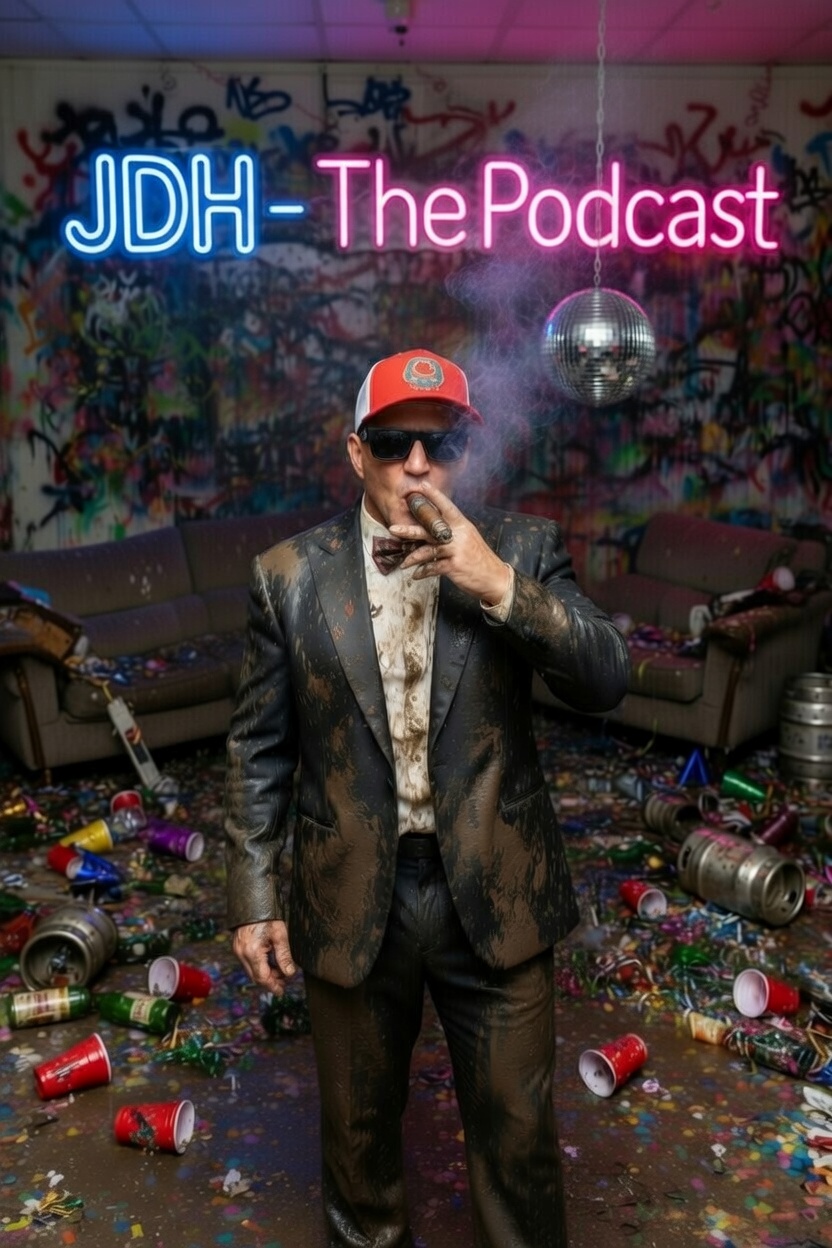
At the very top of that list is my wife and family. Their support has been unwavering. They weren’t just cheering from the sidelines; they were actively involved in almost every facet of the production process. Whatever was needed, they stepped in without hesitation. Whether it was location scouting, craft services, acting, boom operation, assistant camera work, podcast production, or simply helping solve problems as they arose, they were there. Independent filmmaking is often a family endeavor, and HOSTAGE would not exist without their willingness to jump in and help whenever and wherever it was needed.
I’ve always had confidence in my creativity and I’ve always loved writing, but during most of my schooling the emphasis was placed almost entirely on spelling, punctuation, and grammar rather than storytelling. It wasn’t until I took a creative writing course in college that someone truly encouraged me as a writer. My professor read my work and suggested that I should write a novel. Looking back, that was a seminal moment in my life. It shifted my perspective and made me realize that storytelling wasn’t just something I enjoyed—it was something I could pursue seriously. That encouragement helped focus my attention on writing and eventually led me toward filmmaking.
I also owe a great deal to the filmmakers who inspired me. Movies were always an escape for me. While many people found that escape in books, I found it in theaters. I didn’t have the patience to sit through “The Great American Novel,” but I could sit in a dark theater and become completely immersed in a filmmaker’s vision. Film was where stories came alive for me.
One of the most influential moments came when I first watched the film Rumble Fish by Francis Ford Coppola. I was absolutely captivated. The cinematography, the performances, the atmosphere, the storytelling—it all felt perfect to me. That was one of the first times I realized that movies could be art while still being emotionally powerful and entertaining. Watching Rumble Fish planted a seed in my mind that eventually became a desire to make films myself.
So my shoutout goes to my family, to the teachers who offered encouragement when I needed it most, and to the filmmakers whose work inspired me to pick up a camera and tell stories of my own.
Website: https://antigoneproductions.com
Instagram: https://www.instagram.com/antigoneproductions/
Linkedin: https://www.linkedin.com/in/john-harris-1248b172/
Twitter: https://x.com/TheJDH
Facebook: https://www.facebook.com/TheJDH/
Youtube: https://www.youtube.com/@antigoneproductions
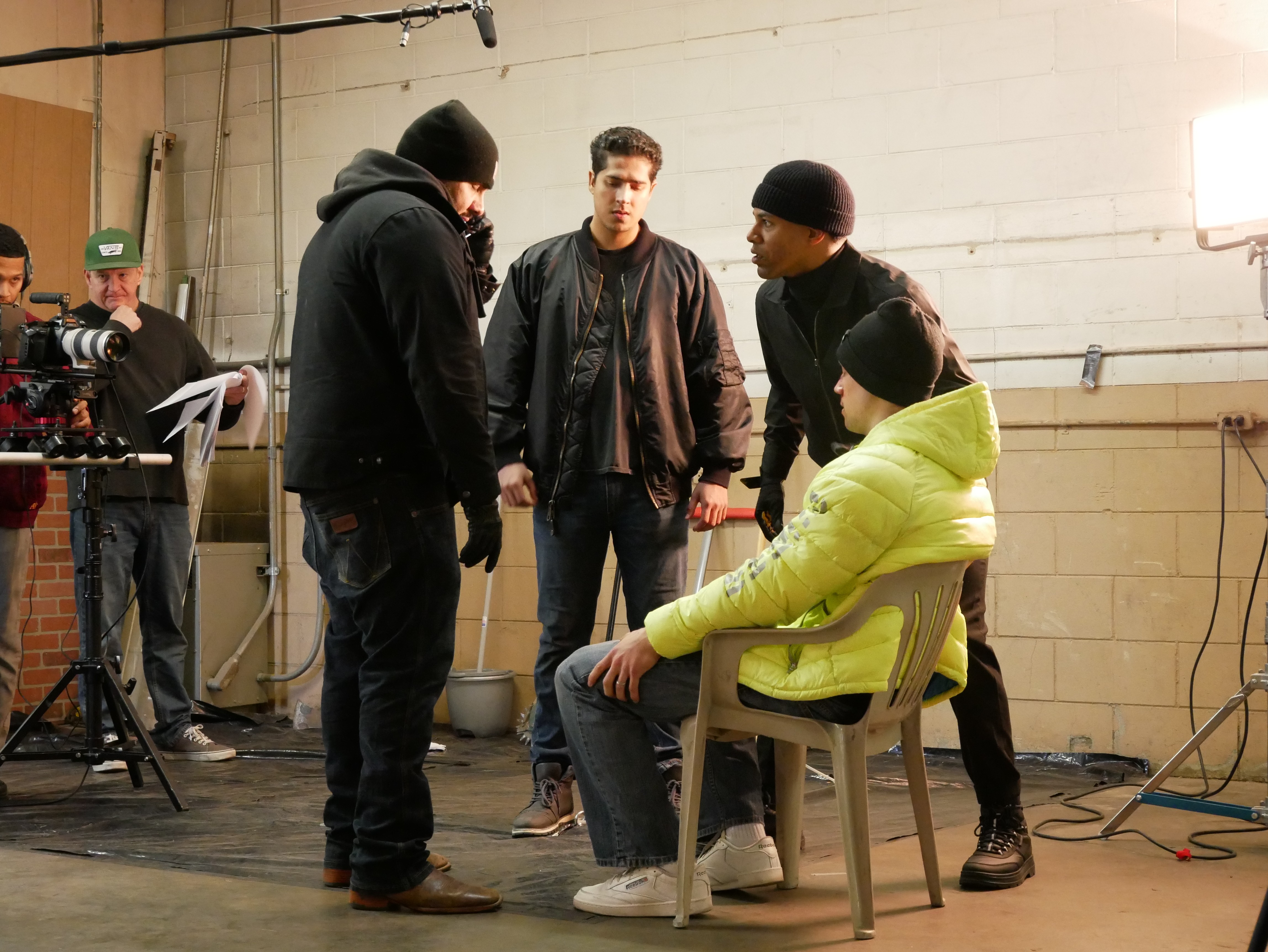
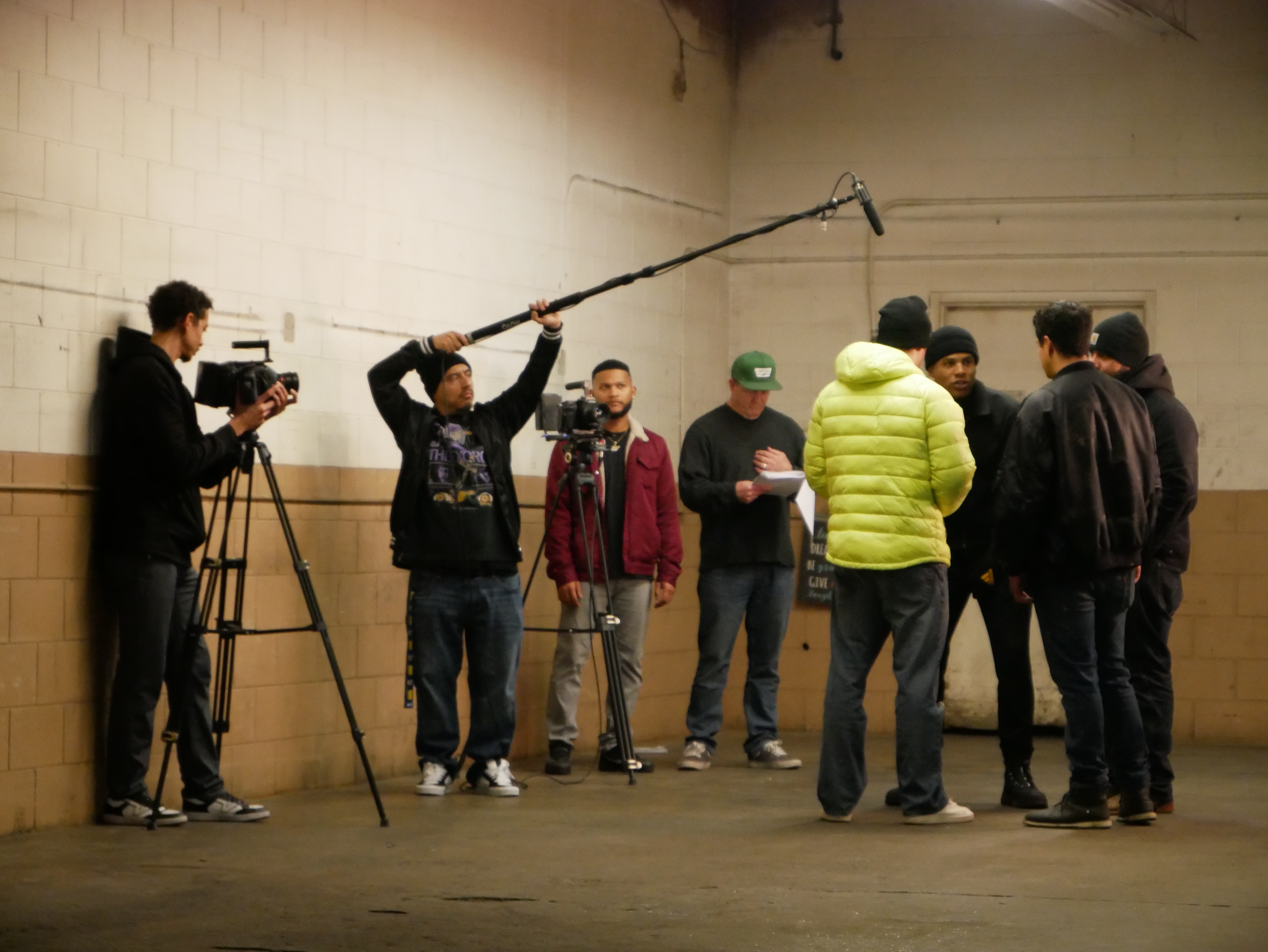
Image Credits
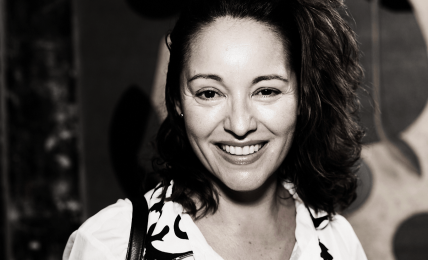
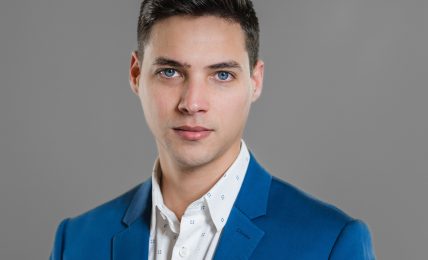
The people in the photographs are John David Harris, Demetre Ramos-Davis, Jarod Harris, Patrick Grimaldo, and George Maxey.