Meet Daniel Felipe | Business Strategist & Co-Operator, Teatro Miami
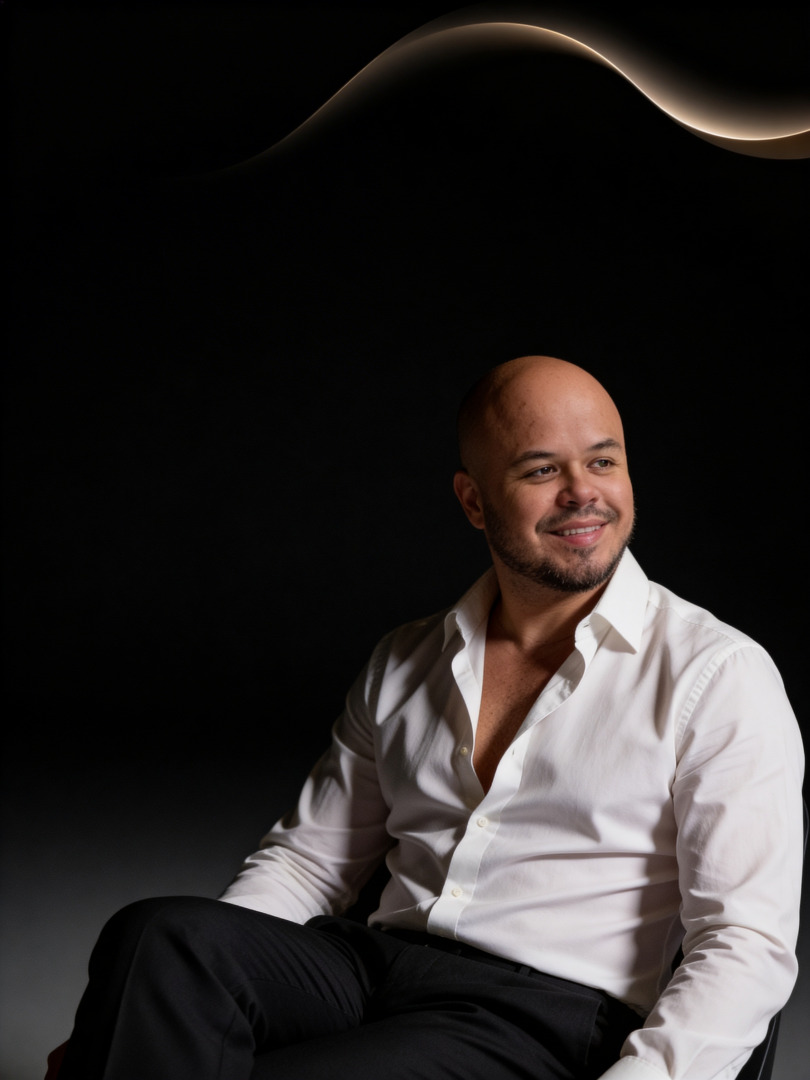


We had the good fortune of connecting with Daniel Felipe and we’ve shared our conversation below.
Hi Daniel, can you walk us through the thought-process of starting your business?
The idea wasn’t just to start a business—it was to build something with structure, purpose, and long-term value.
Coming from a background in accounting, finance, and business operations, I’ve always looked at opportunities through the lens of sustainability. In the entertainment space, there’s a lot of creativity, but not always the infrastructure needed to support it long-term. That’s where I saw the opportunity.
With Teatro Miami, the thought process was very intentional: combine strong financial and operational structure with high-level artistic talent. Through our partnership between The Dade Group and Mulkay Productions, we were able to bring together both sides—business discipline and creative vision.
The goal wasn’t just to open a venue, but to create a platform where productions can thrive, artists can perform at a high level, and the experience for the audience feels elevated and consistent.
At its core, it was about building something that lasts—not just something that launches.
What should our readers know about your business?
My professional career has been centered around business, finance, and building structured operations across multiple industries, including accounting, tax consulting, and real estate. With an MBA degree and hands-on experience managing and scaling different ventures, I’ve always approached business with a focus on sustainability, systems, and long-term growth.
Teatro Miami is a natural extension of that experience—applied to the entertainment and cultural space. What makes this project unique is that it wasn’t built from just a creative perspective or just a business perspective. It was built intentionally at the intersection of both. Through the partnership between The Dade Group and Mulkay Productions, we’ve been able to combine strong financial and operational infrastructure with proven artistic talent.
That balance is what sets us apart. Many venues focus on producing shows, but we focus on building a platform. Everything—from contracts and financial structure to the guest experience—is designed with long-term consistency in mind. We’re not just thinking about individual performances, but about creating a sustainable model for live entertainment.
Getting to this point was definitely not easy. Building Teatro Miami meant developing both the physical space and the operational framework simultaneously, while also establishing a brand from the ground up. There were constant challenges that required adaptability, problem-solving, and staying focused under pressure.
What helped us overcome those challenges was discipline and clarity of vision. Instead of chasing quick wins, we focused on building a strong foundation—structuring agreements properly, implementing systems, and aligning the right people. That approach has been critical.
One of the biggest lessons I’ve learned is that structure is what allows creativity to truly scale. Without a solid business framework, even the best ideas struggle to last. I’ve also learned the importance of partnerships—having the right team, with complementary strengths, makes all the difference.
What I want people to understand about Teatro Miami is that it represents more than just a venue. It’s a long-term project designed to contribute to Miami’s cultural landscape while operating with the discipline of a well-structured business.
At its core, it reflects the idea that when you combine strong business fundamentals with creative vision, you can build something that is not only impactful—but sustainable.
If you had a friend visiting you, what are some of the local spots you’d want to take them around to?
If a close friend was visiting for a week, I’d want them to experience Miami the right way—not just the typical tourist spots, but the full mix of culture, energy, and lifestyle that makes the city unique.
We’d start in Brickell—it’s the heartbeat of modern Miami. Great restaurants, rooftop views, and a strong city vibe. From there, I’d take them to Wynwood for the art scene—walking through the murals, stopping at a few creative spaces, and enjoying the mix of culture and nightlife.
Of course, you can’t skip Miami Beach, but I’d keep it balanced—some time during the day to enjoy the ocean, and then maybe dinner somewhere with a more refined atmosphere rather than the typical tourist-heavy spots.
One of the musts on the itinerary would be a night at Teatro Miami. It’s a completely different experience—more intimate, more curated, and something you don’t find everywhere in the city. It’s the kind of place where you can actually connect with the performance and the environment, not just watch a show.
I’d also include something more cultural—maybe a live music night, a smaller venue, or even a hidden spot where you can really feel the local community.
Food-wise, Miami is incredibly diverse, so I’d mix it up—some high-end dining, some Latin spots, and a few low-key places that only locals really know about.
What makes Miami special is that it’s not just one thing—it’s a combination of cultures, styles, and experiences. The best way to enjoy it is to move through different areas and let each one show you a different side of the city.
At the end of the week, the goal wouldn’t just be to show them places—it would be to give them a real sense of what Miami feels like.
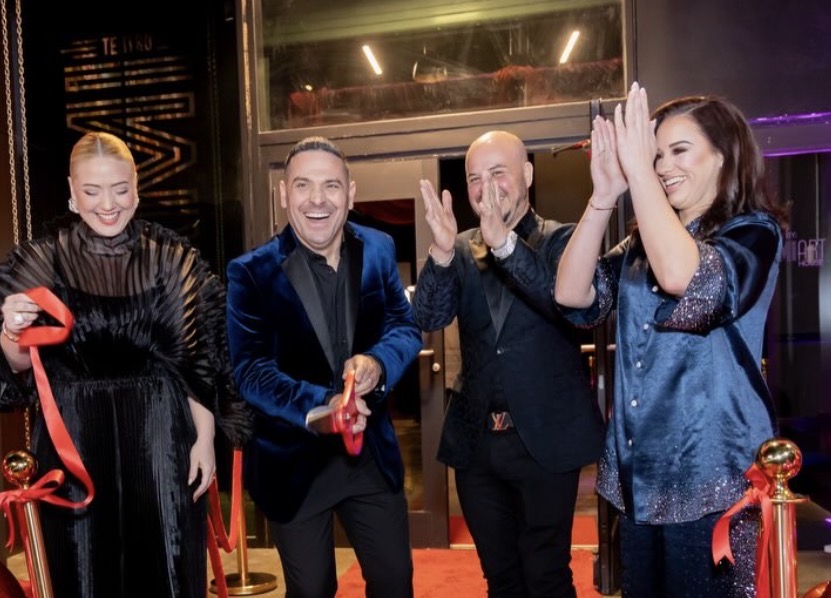
The Shoutout series is all about recognizing that our success and where we are in life is at least somewhat thanks to the efforts, support, mentorship, love and encouragement of others. So is there someone that you want to dedicate your shoutout to?
First and foremost, I would give that recognition to our partners and the team behind Teatro Miami.
This project is the result of a true collaboration between different strengths coming together. On one side, The Dade Group—where my wife Elizabeth Rodriguez and I bring financial structure and operational discipline—and on the other, Mulkay Productions, led by Mijail Mulkay Bordon Perdomo and Olga Thomas, who bring incredible artistic vision, and voice.
Beyond that, I also want to recognize the entire team that has supported the development of Teatro Miami—from the people working behind the scenes to the performers on stage. Building something like this is never an individual effort; it takes trust, alignment, and a shared vision.
And on a more personal level, I’m especially grateful for the support system around me—family, close friends, and mentors—who have been there through both the challenges and the progress. Their encouragement has played a big role in staying focused and continuing to build.
At the end of the day, Teatro Miami is a reflection of collective effort. It’s not just one story—it’s many people contributing to something bigger than themselves.
Website: https://www.teatromiami.com
Instagram: https://www.instagram.com/teatromiamioficial
Facebook: https://www.facebook.com/profile.php?id=61586094006517
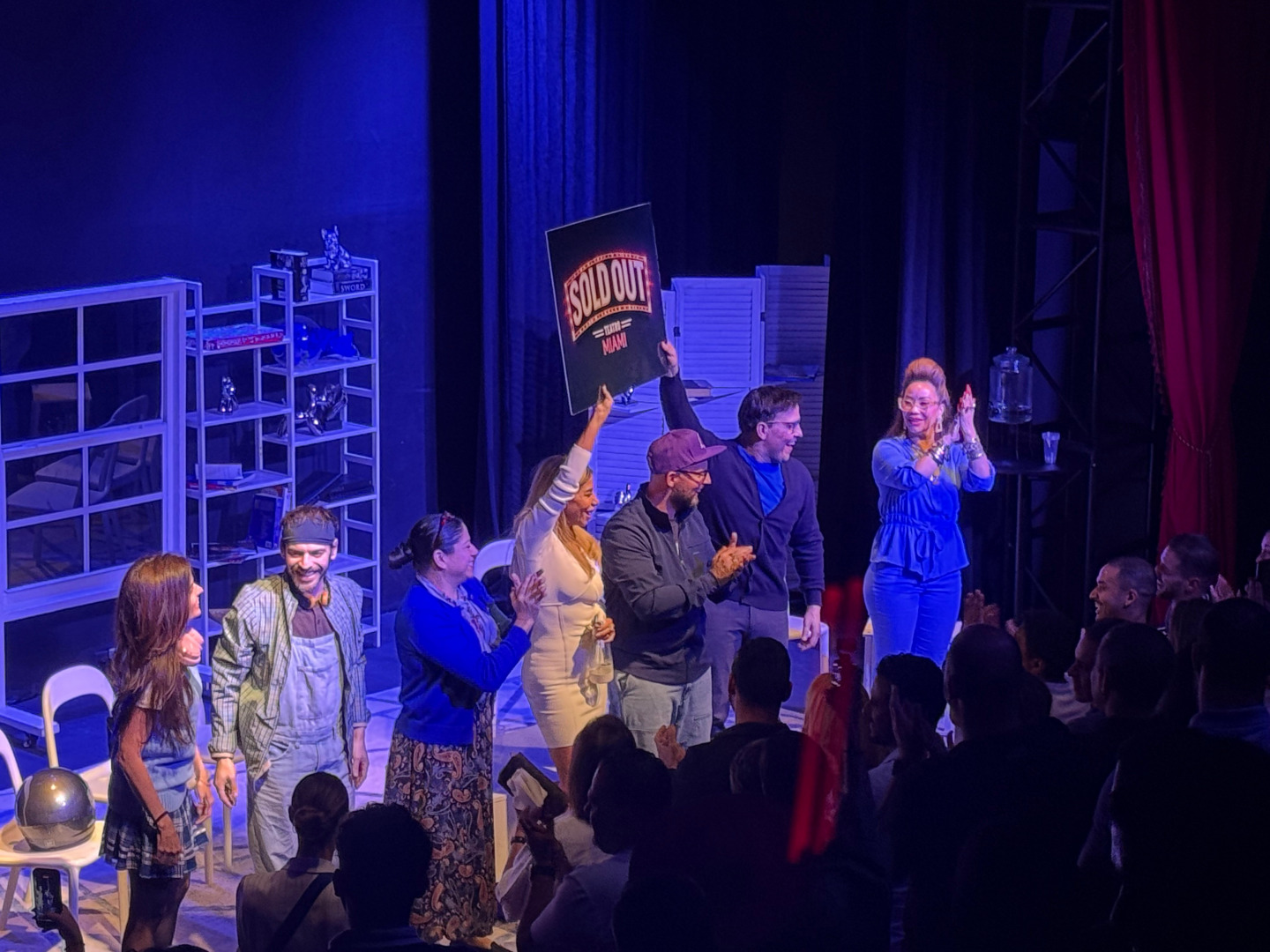
Image Credits
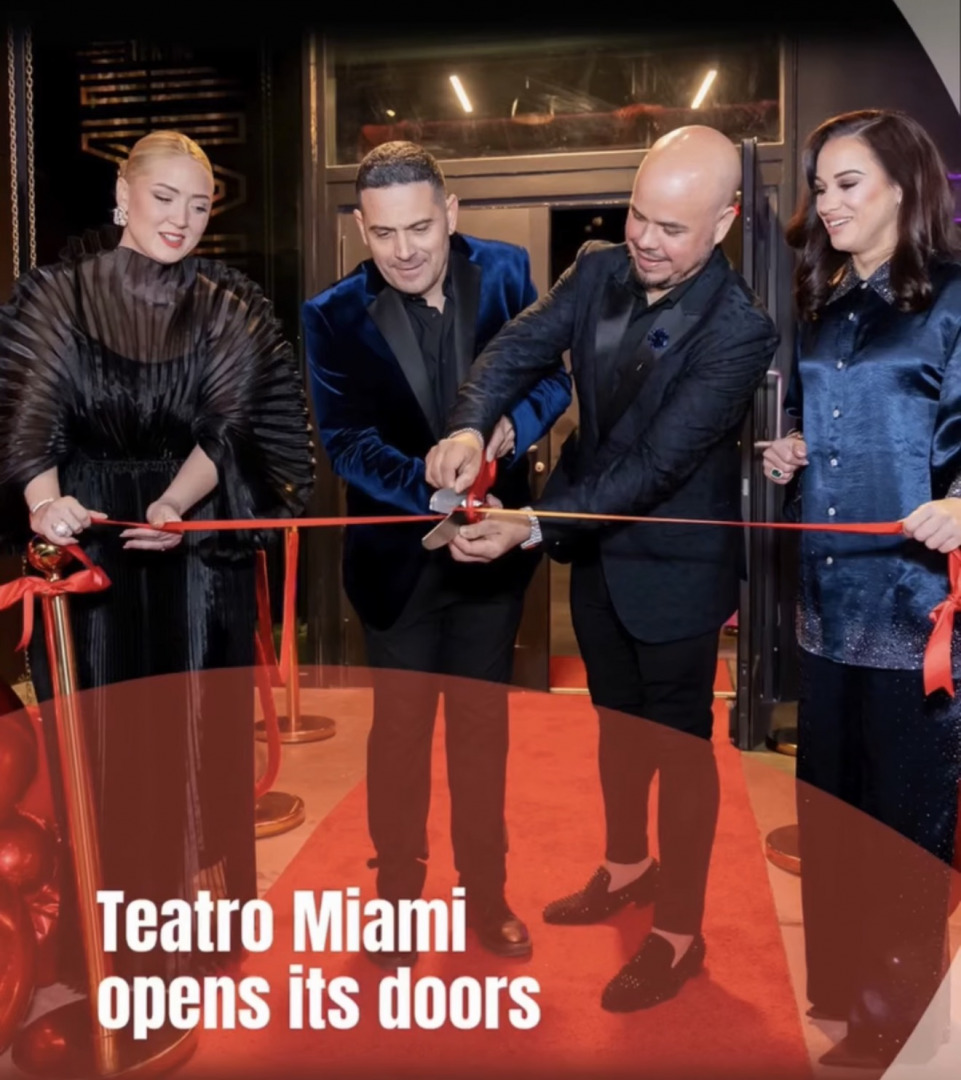
Image of founders: Left to right, Olga Thomas, Mijail Mulkay Bordon Perdomo, Daniel Felipe and Elizabeth Rodriguez.
Image of stage: Show name TOC TOC on its first SOLD OUT Left to right. Daniela Bascope, Saul Mauricio, Danly Arango, Roxana Garcia, Raul Gonzalez, Bianka Gonzalez, Directed by Manuel Mendoza